
The Cold War Exhibit at the Roedy Rotunda
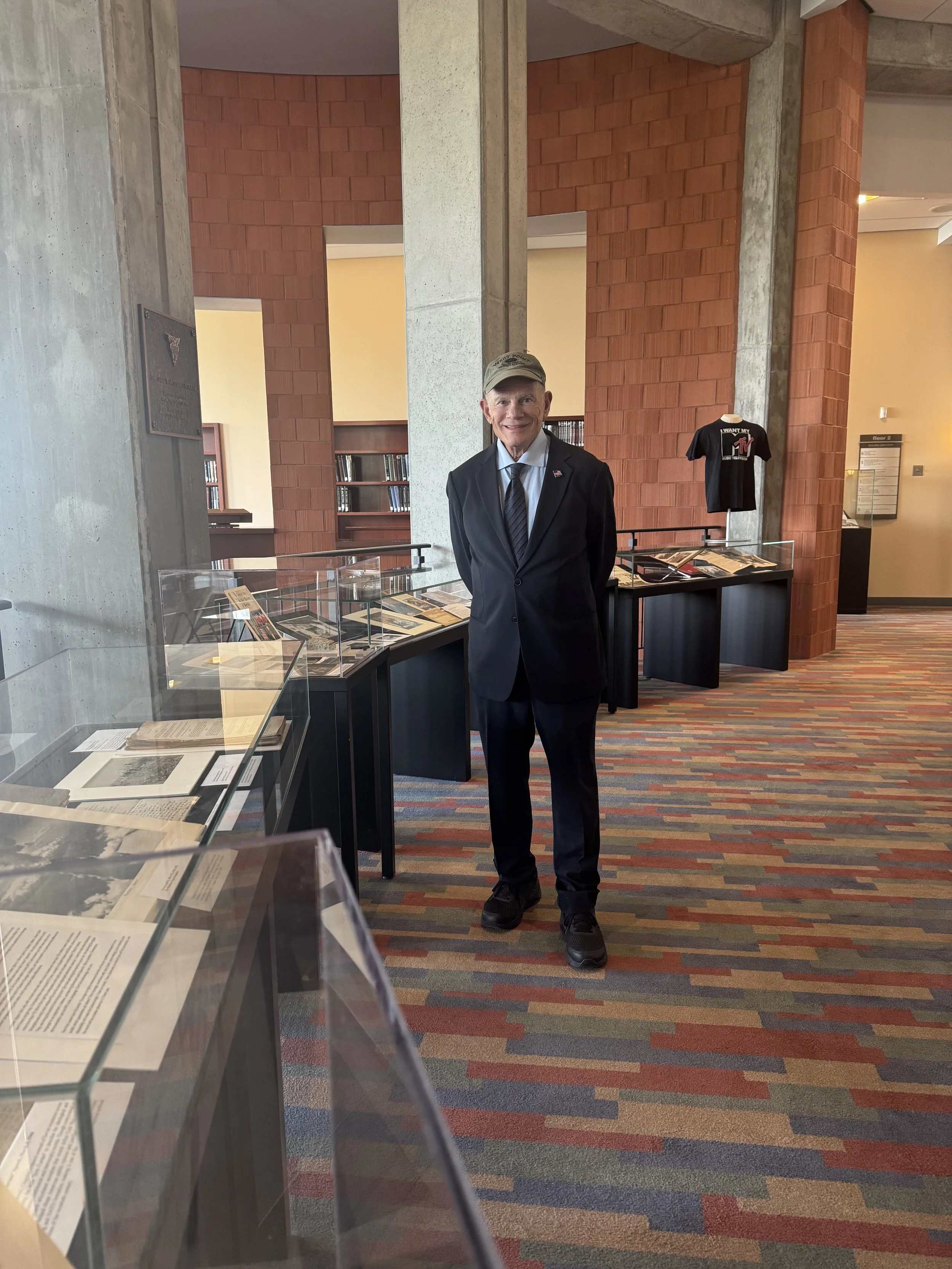
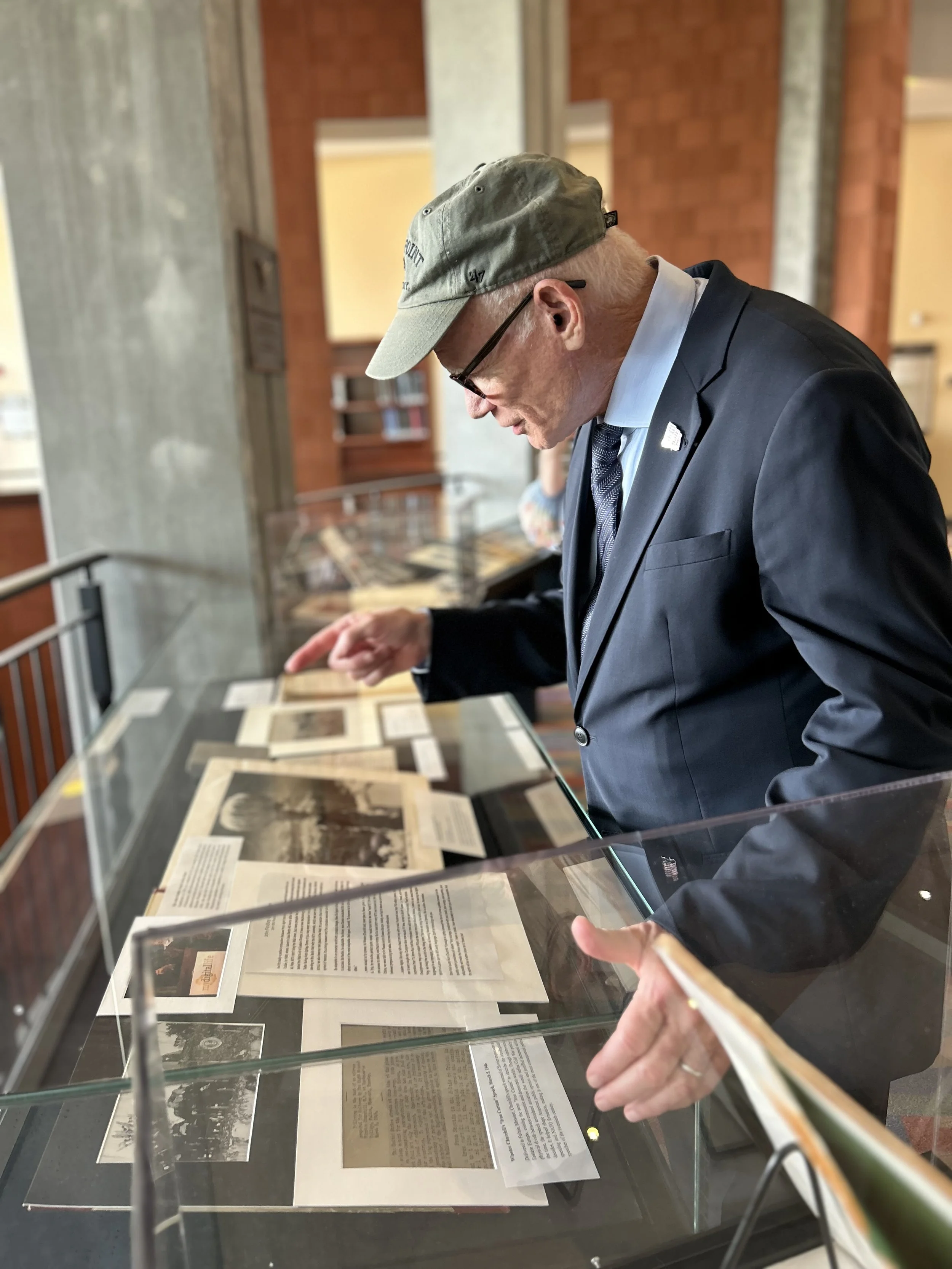
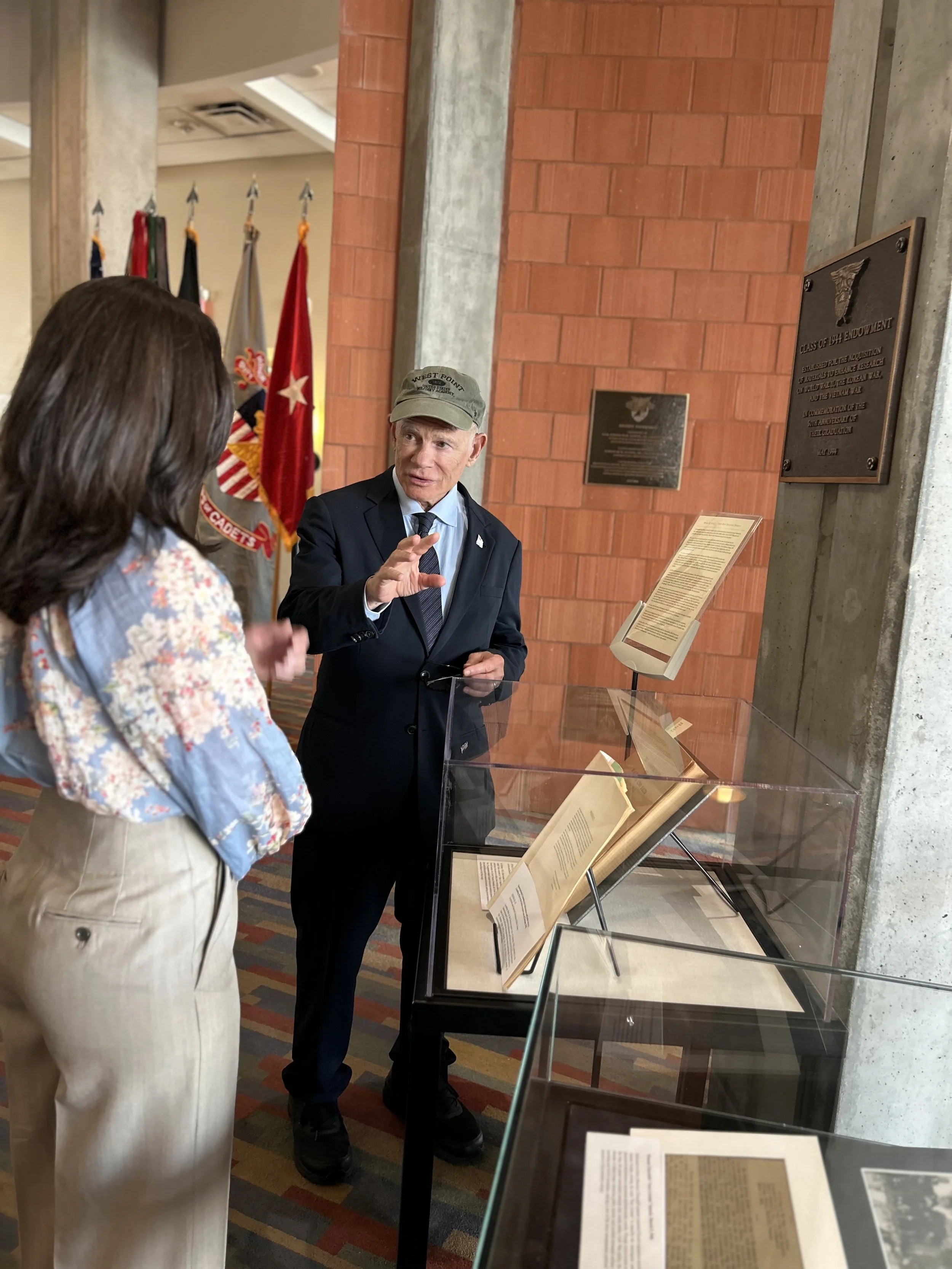
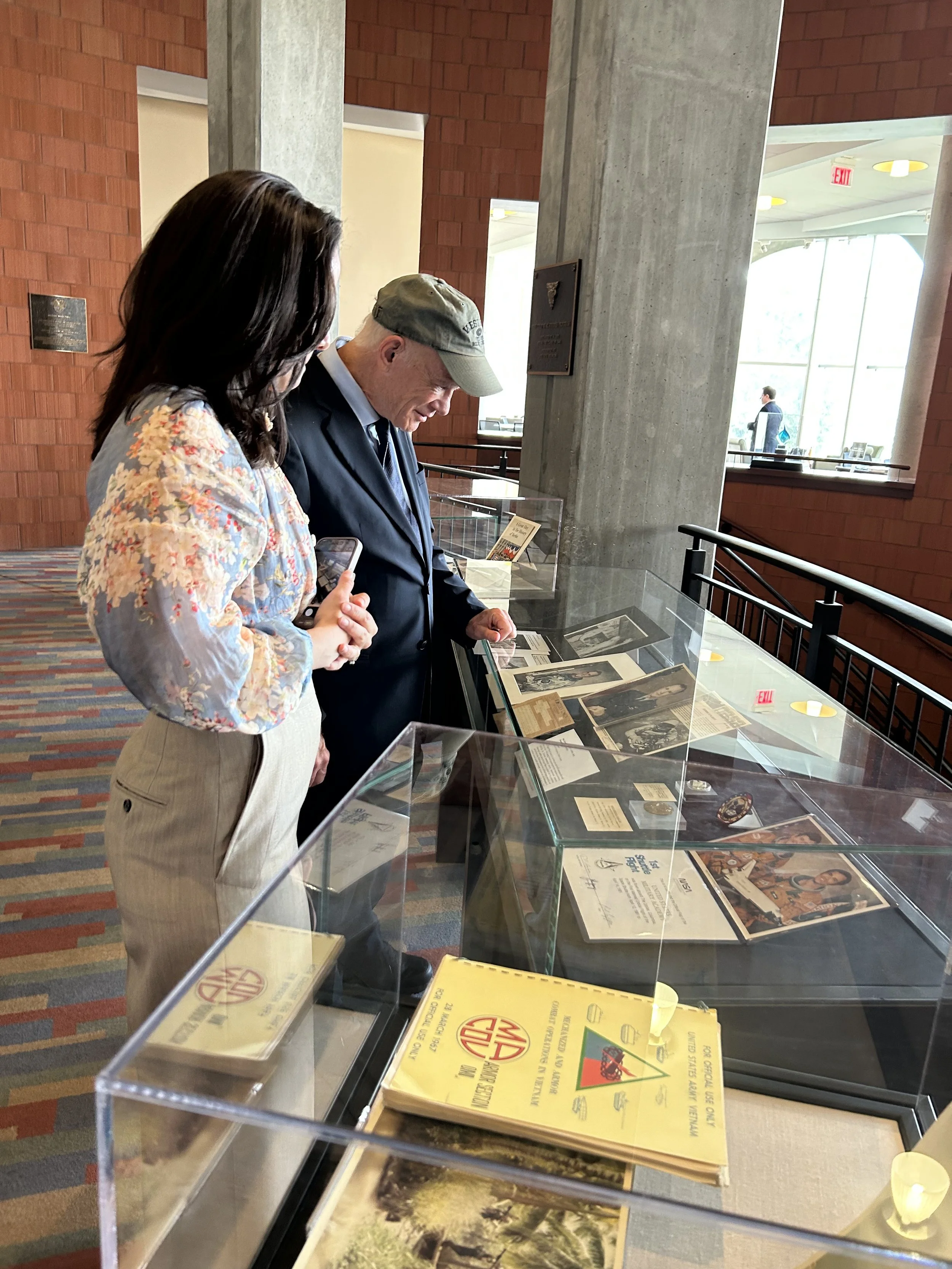
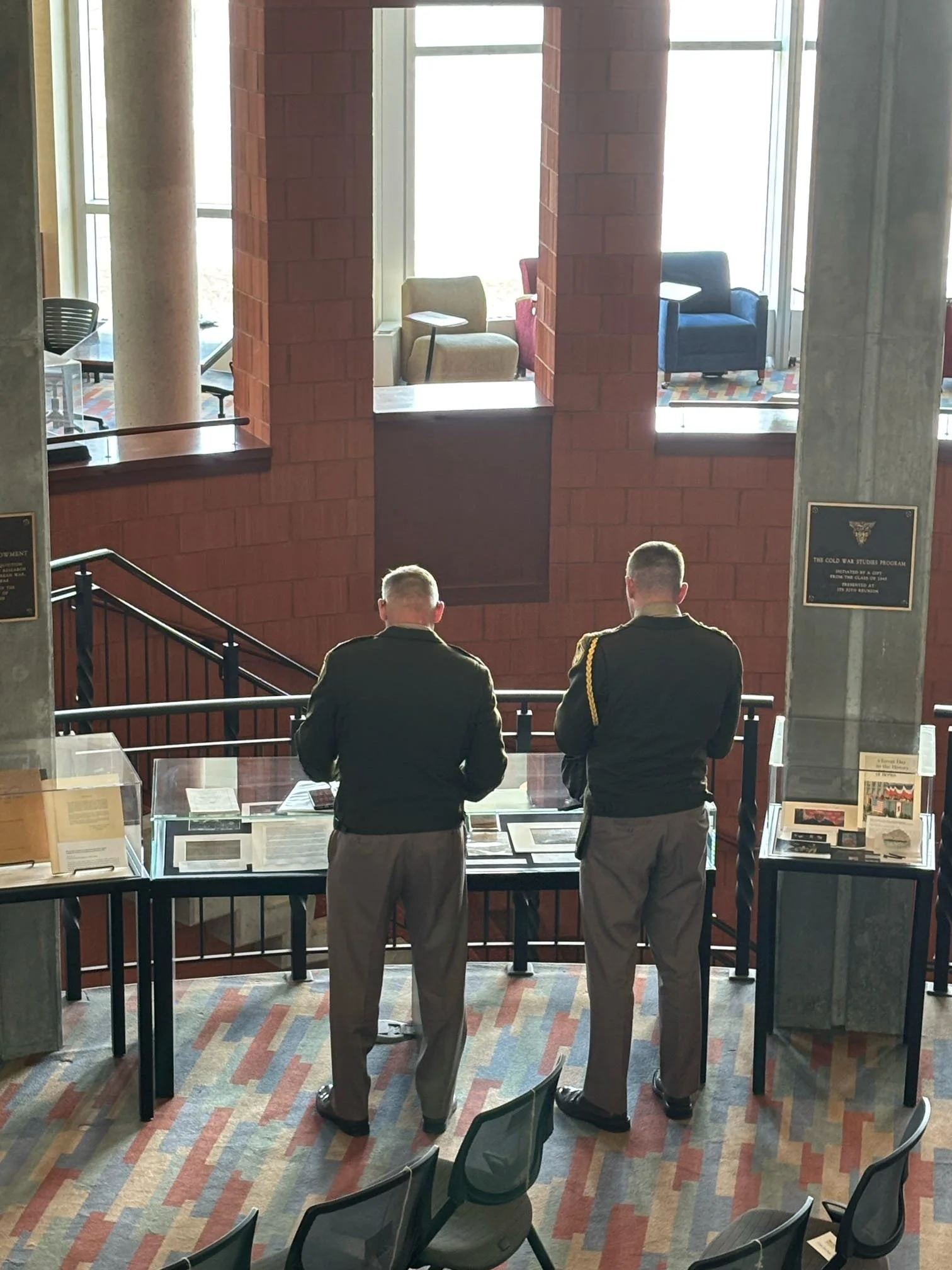
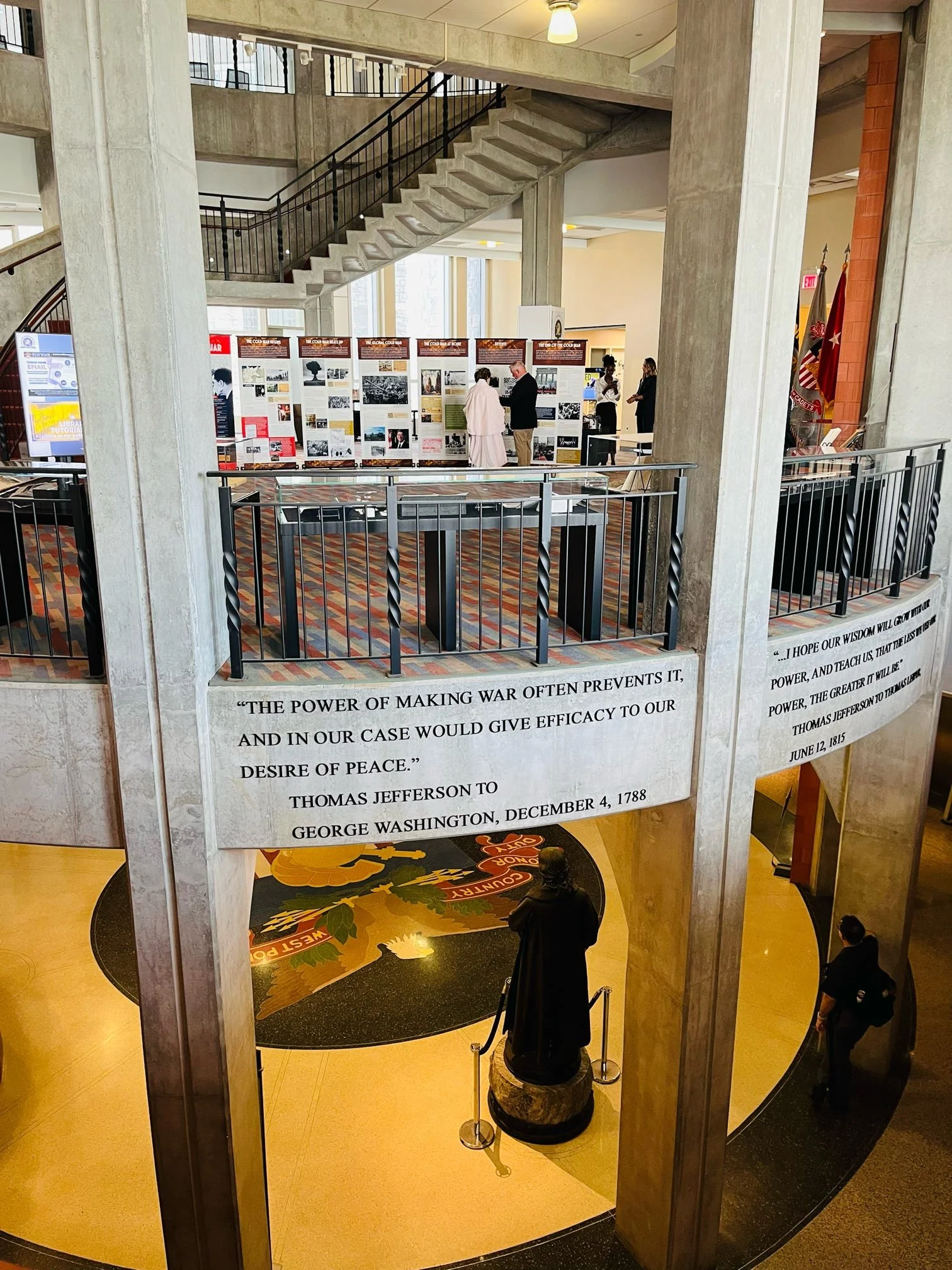
The Cold War Exhibit at the Roedy Rotunda traces the Cold War from its earliest fault lines through Korea, Berlin, Vietnam, and ultimately the fall of the Wall — drawing on West Point's own artifacts, manuscripts, photographs, and archival publications to show how the Academy educated and shaped officers in real time as history was unfolding around them.
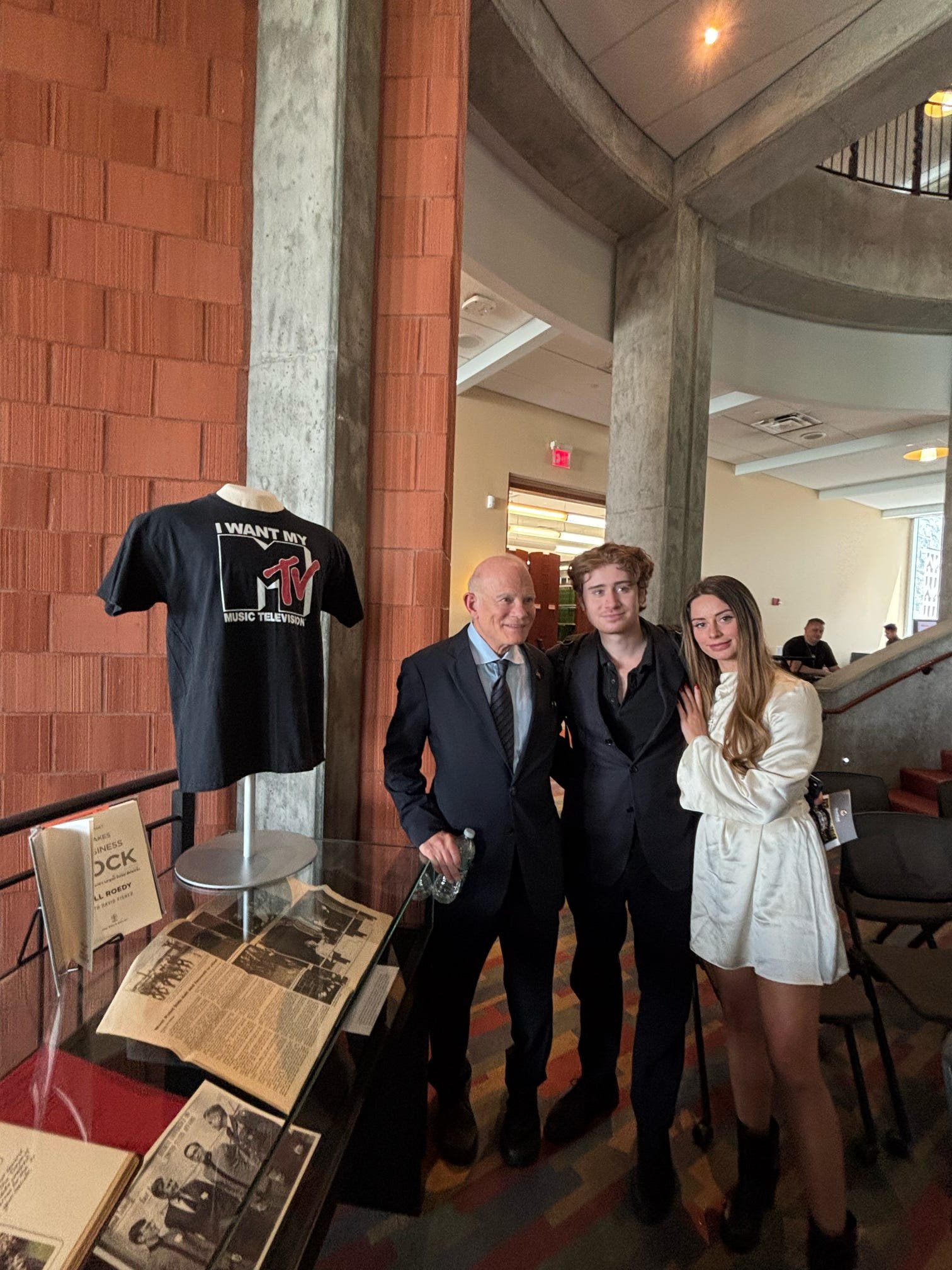
Woven throughout is the story of two West Point men: William H. Roedy Sr., a Class of 1940 artillery officer who went to war the morning Pearl Harbor was attacked, and his son Bill, who commanded NATO nuclear missile sites in Italy before going on to bring MTV behind the Iron Curtain — a journey from hard power to soft power that the display traces in full. Beyond these two soldiers, the display really tells the story of the Long Gray Line, defined by generations of service.
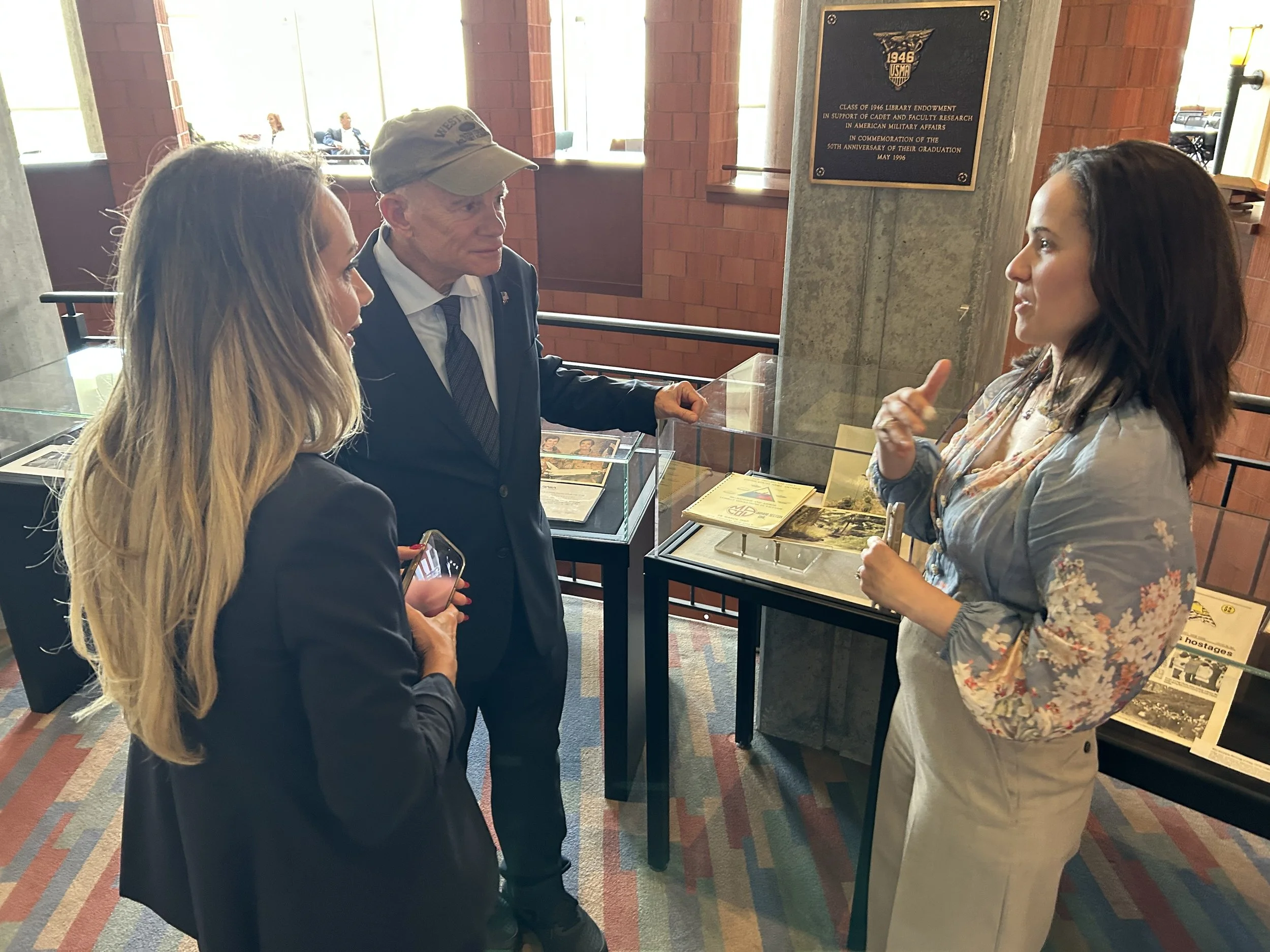
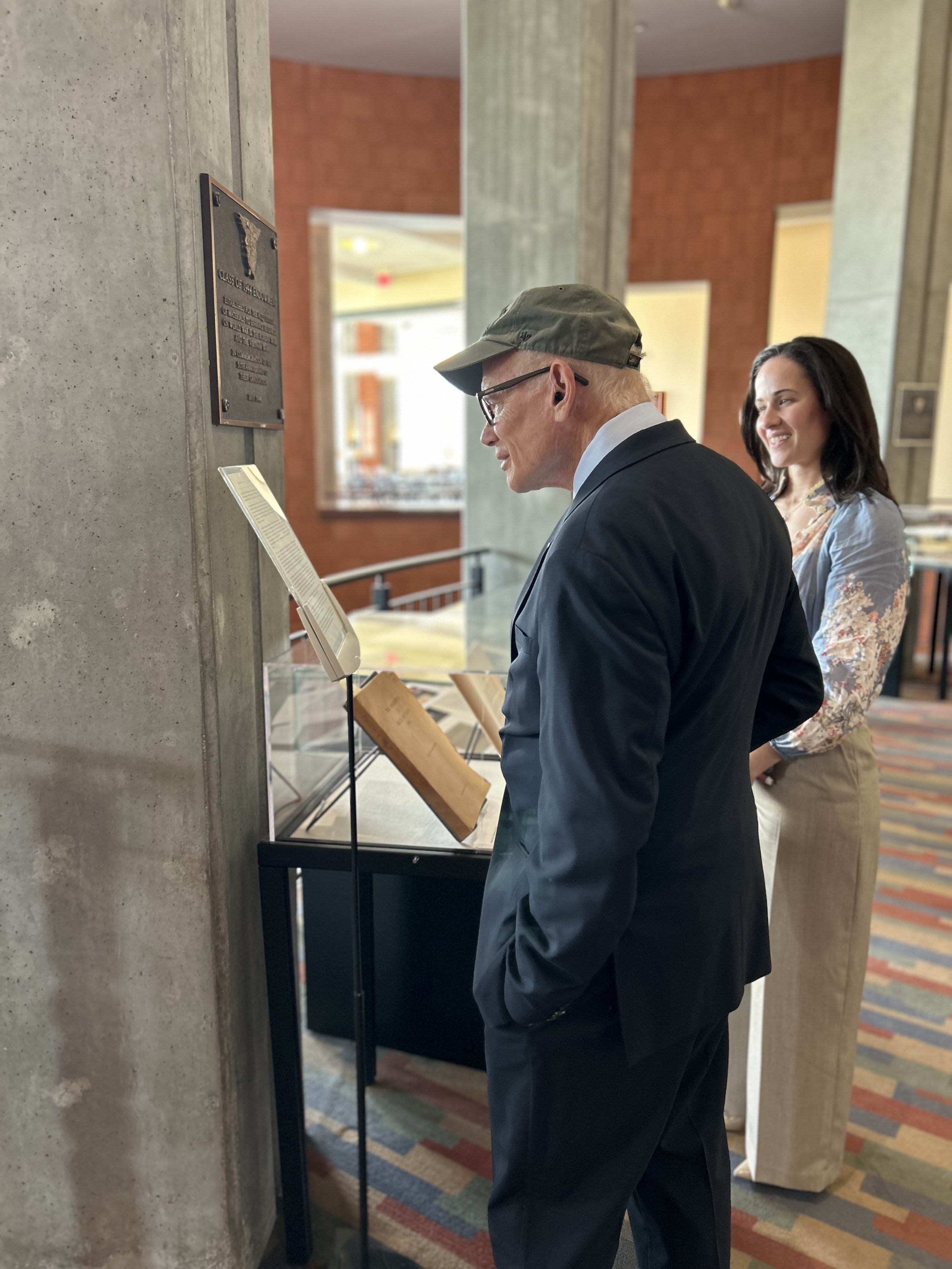
We are immensely grateful to Communications Executive Renée de San Juan; Associate Dean for Faculty Development, Colonel Benjamin M. Wallen, Ph.D.; and the archival team at West Point for their tireless dedication in making this display possible. What they've built isn't just a display about the past; it's a powerful space meant to inspire future cadets. It shows cadets that service takes many forms, and that the foundation West Point gives them will carry them further than they could ever imagine when they’re first starting out.
Experience the Exhibit
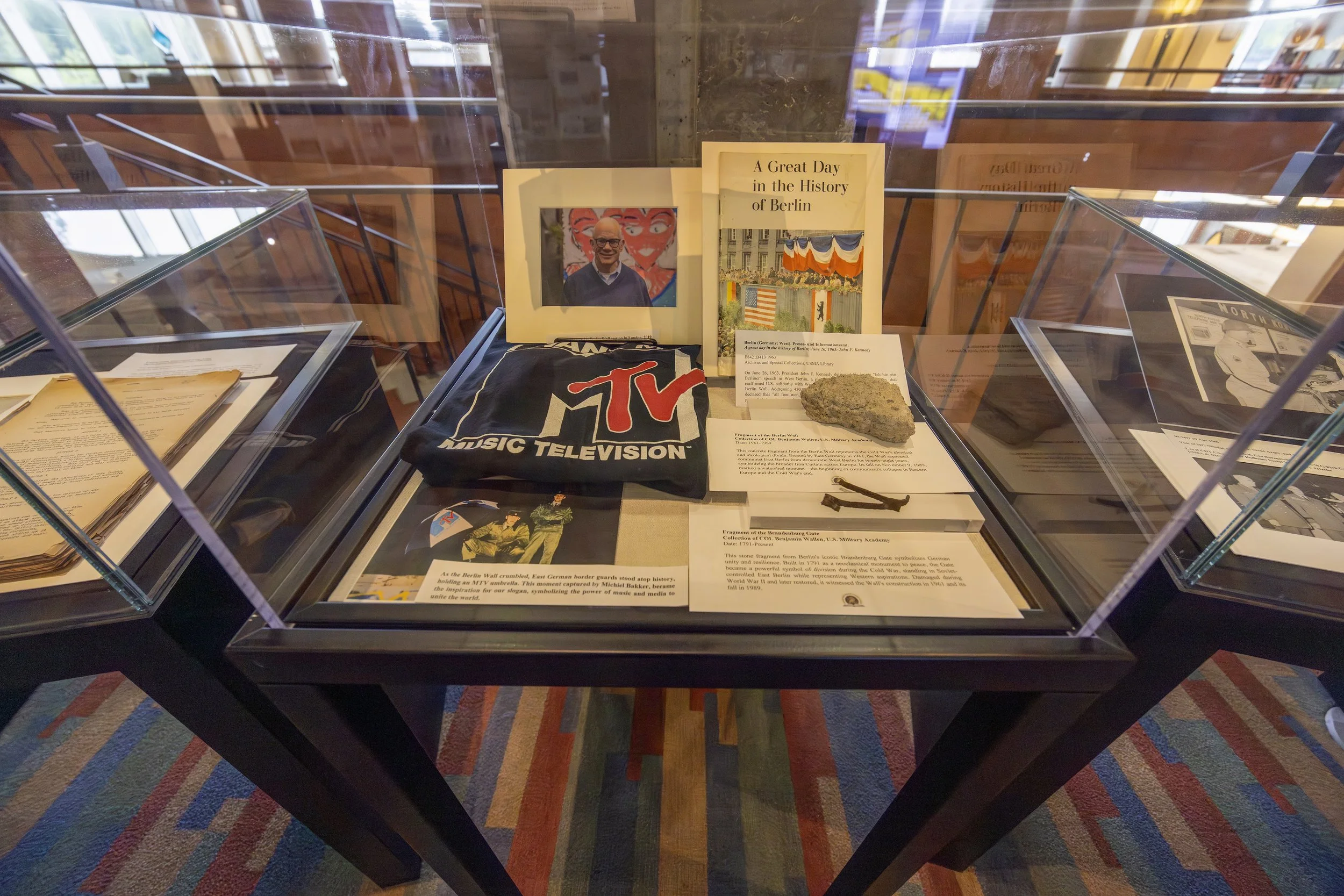
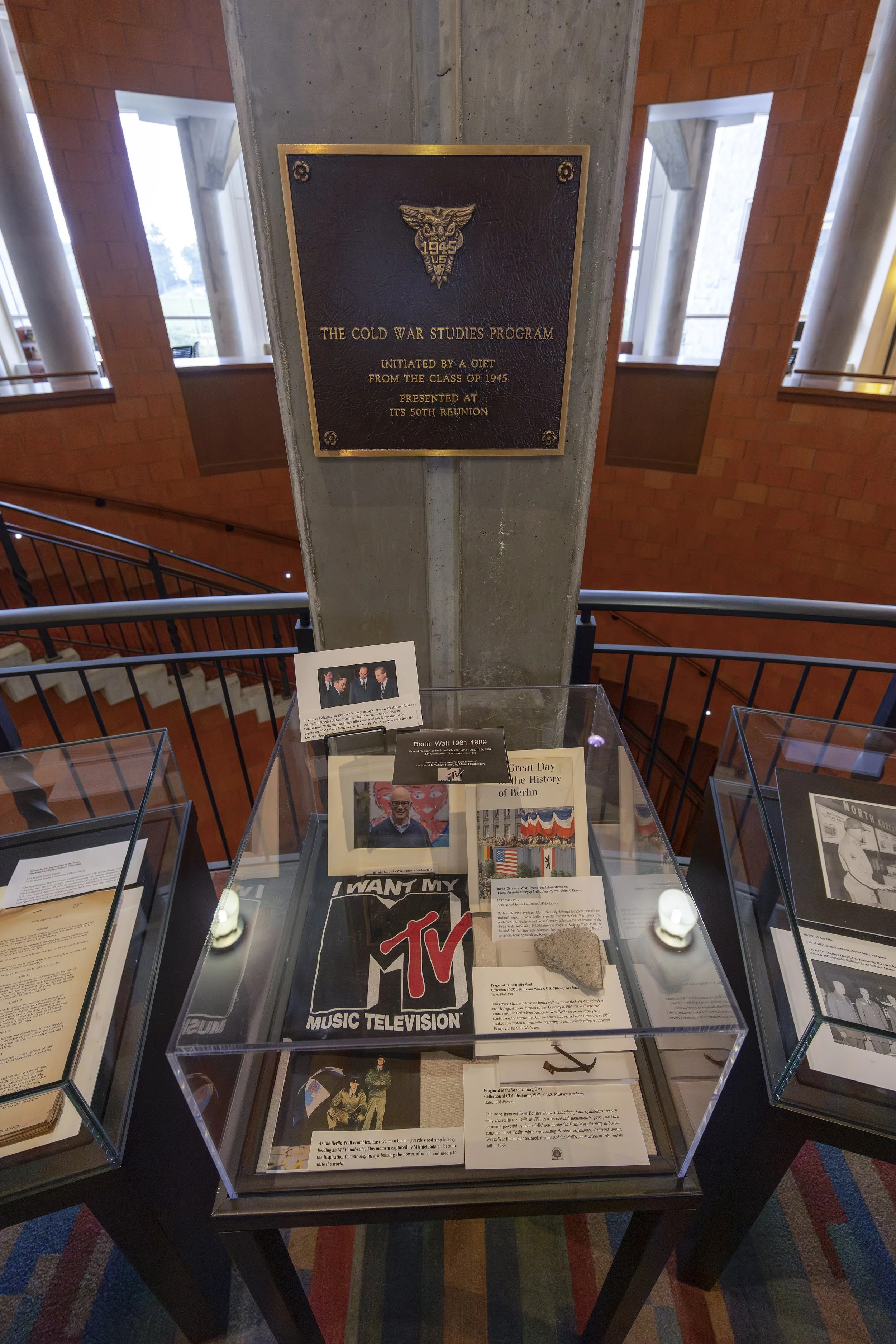
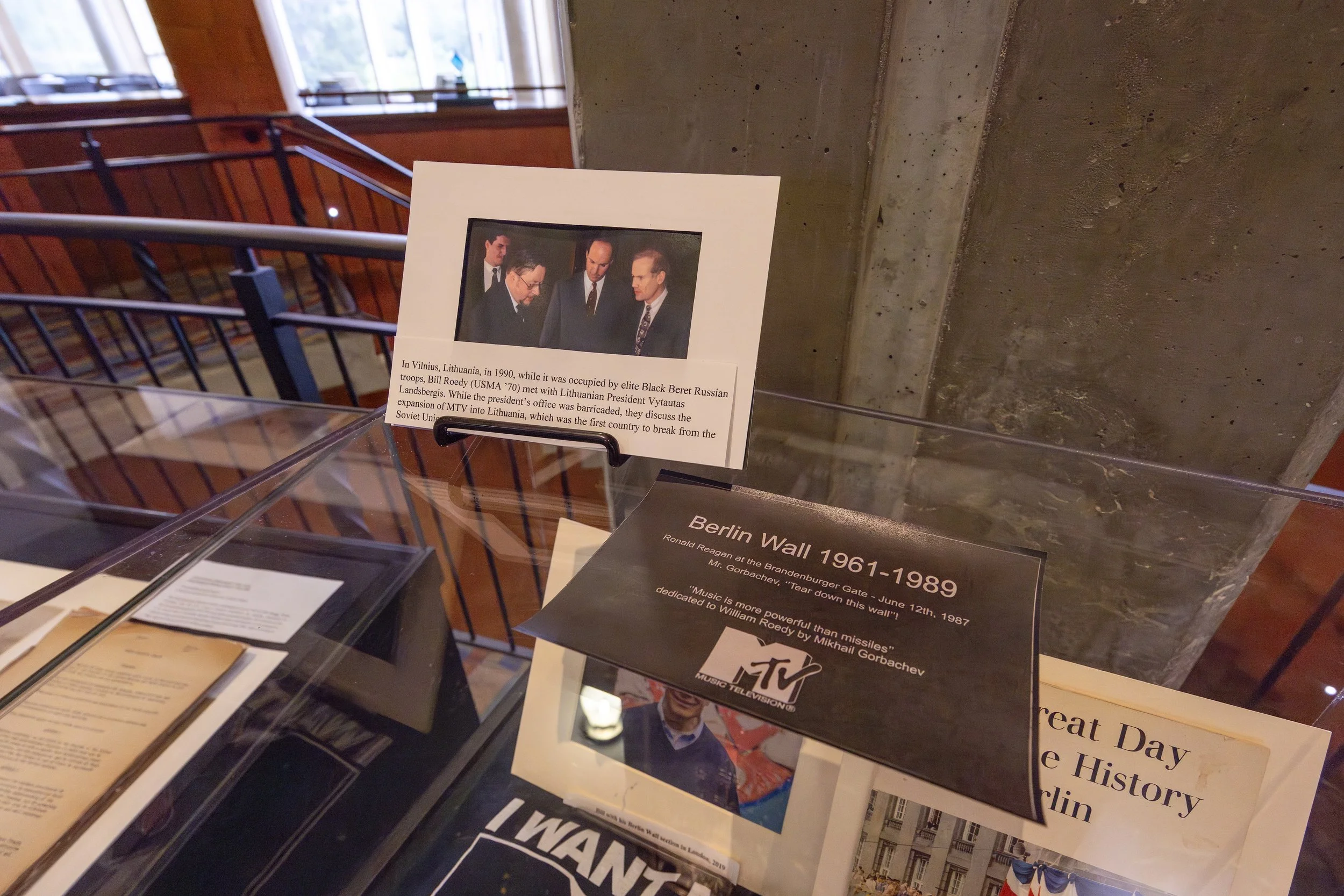
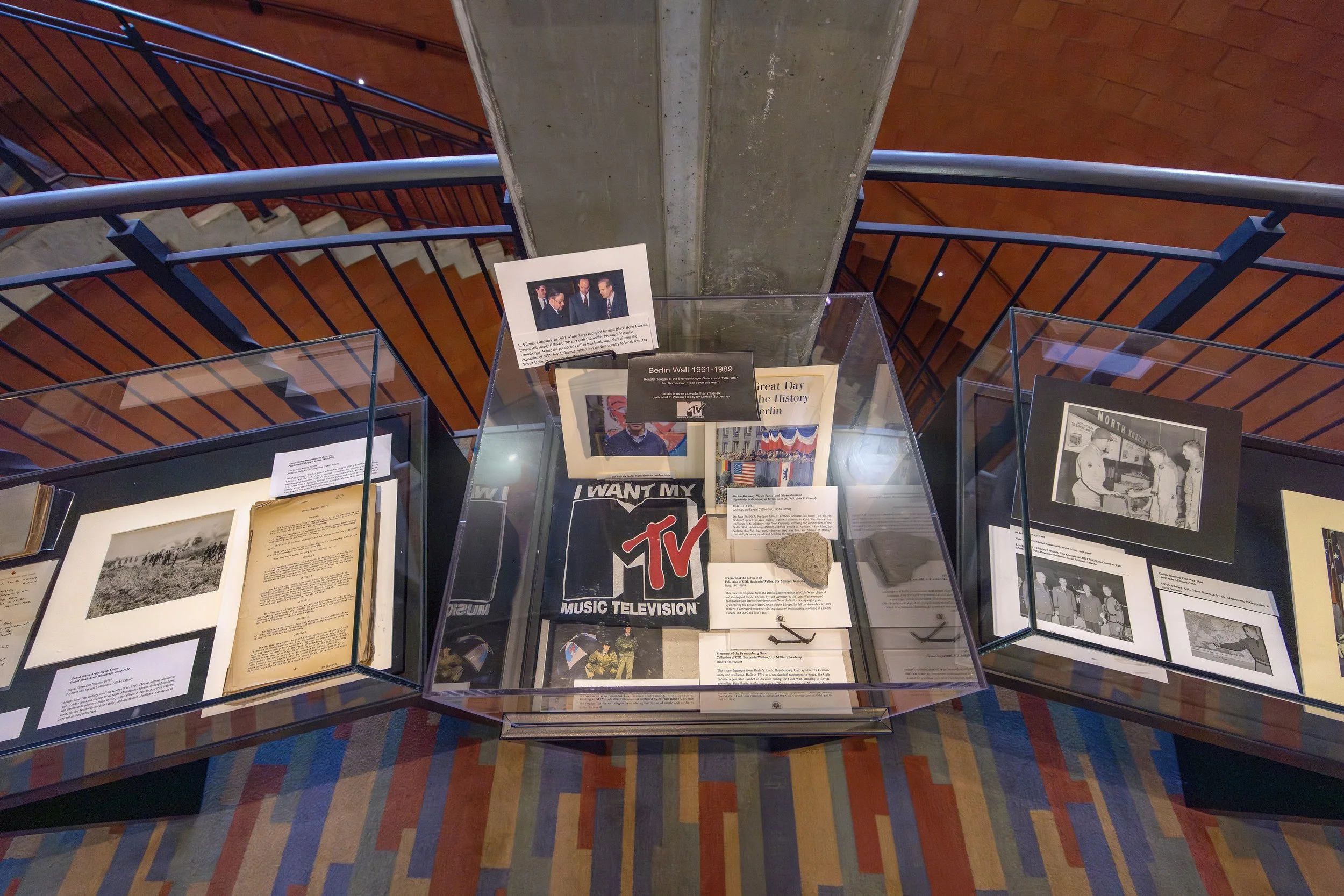
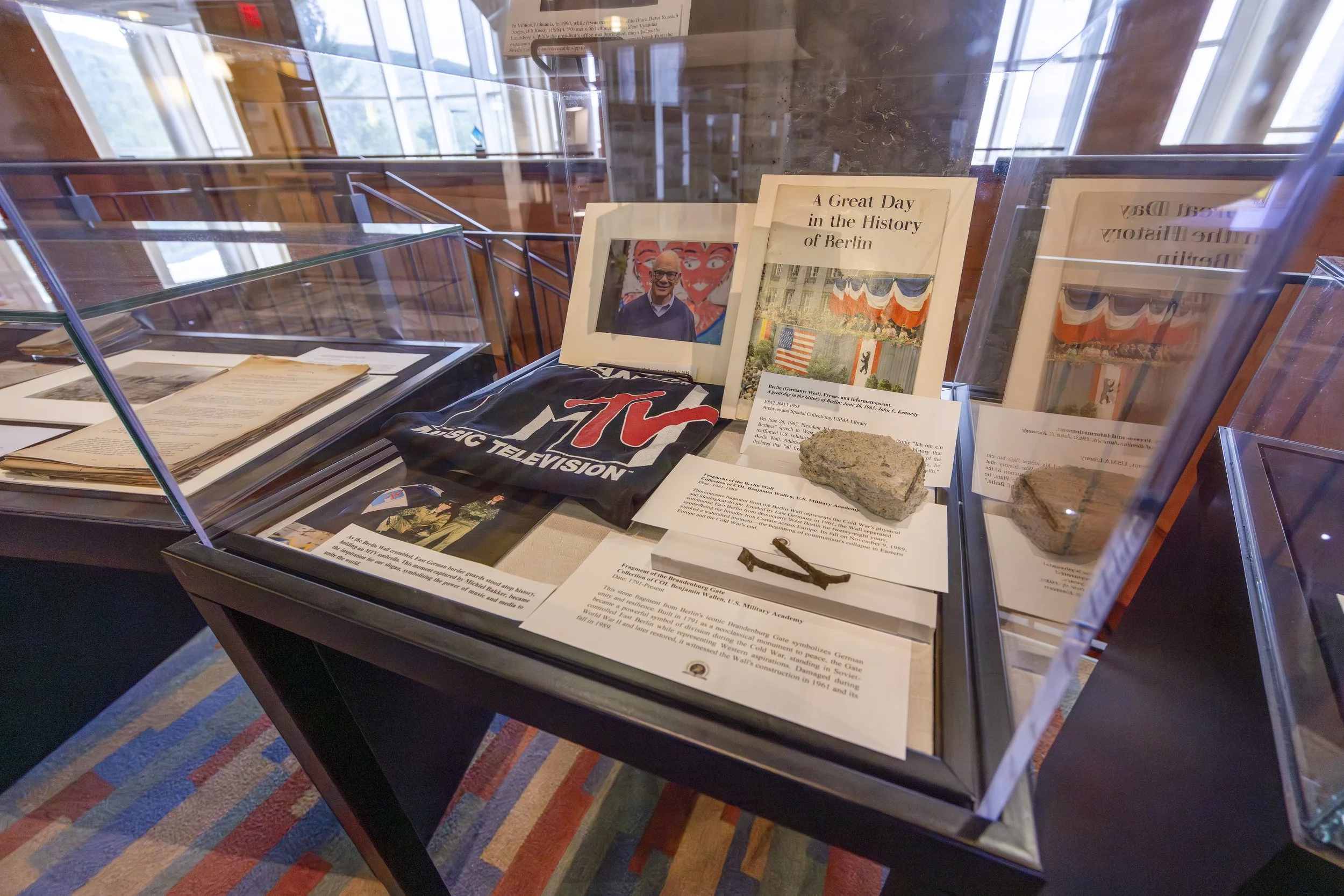
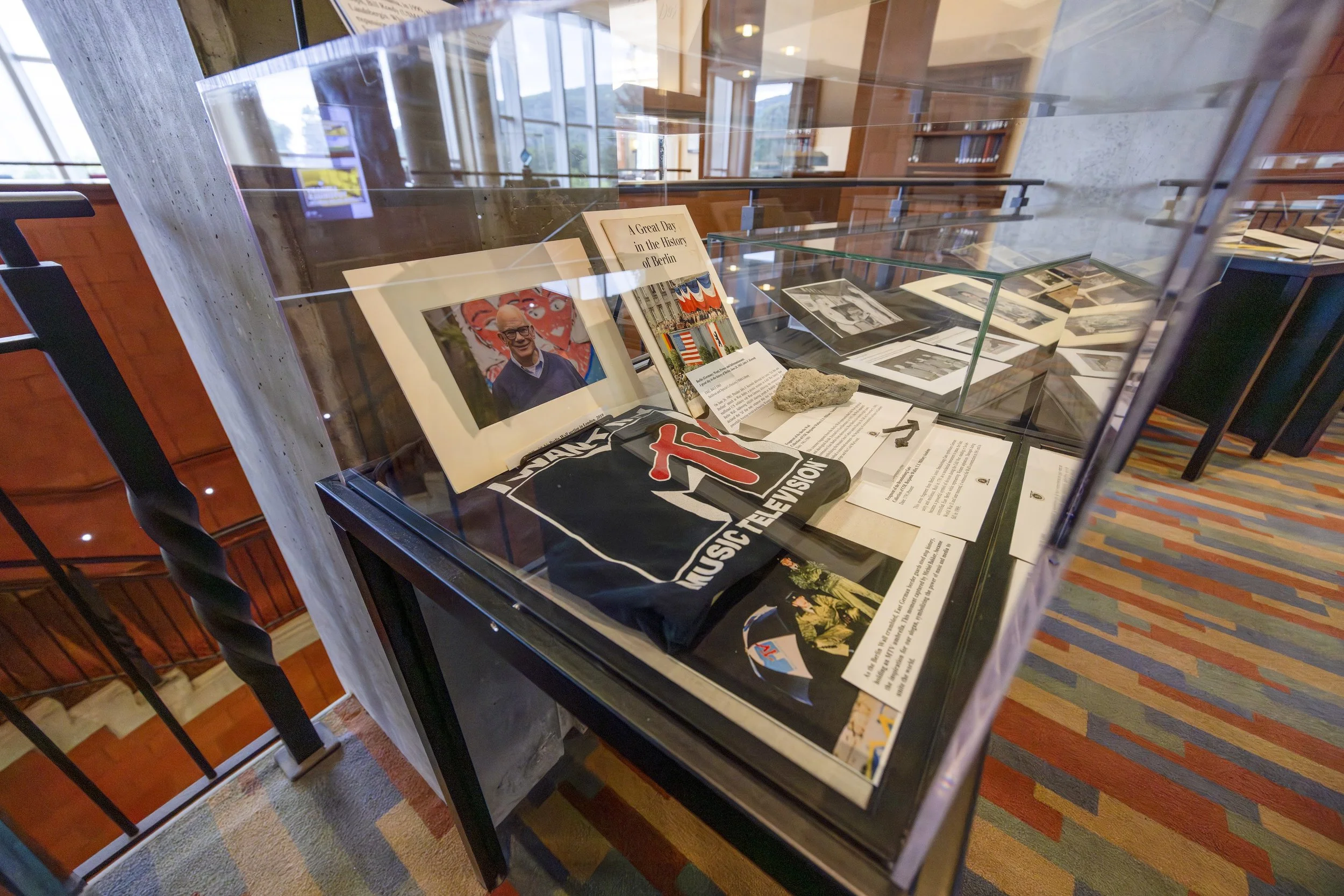
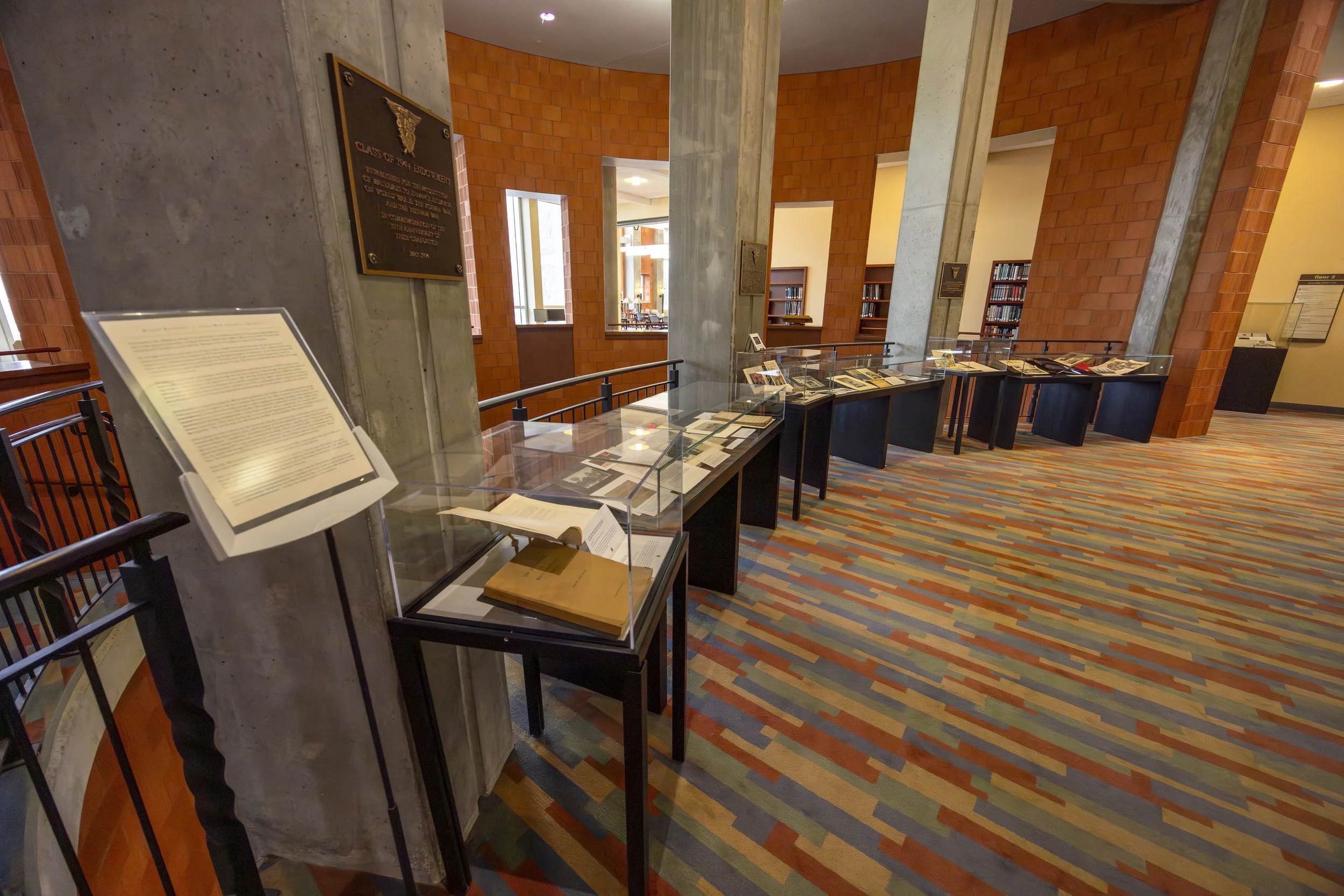
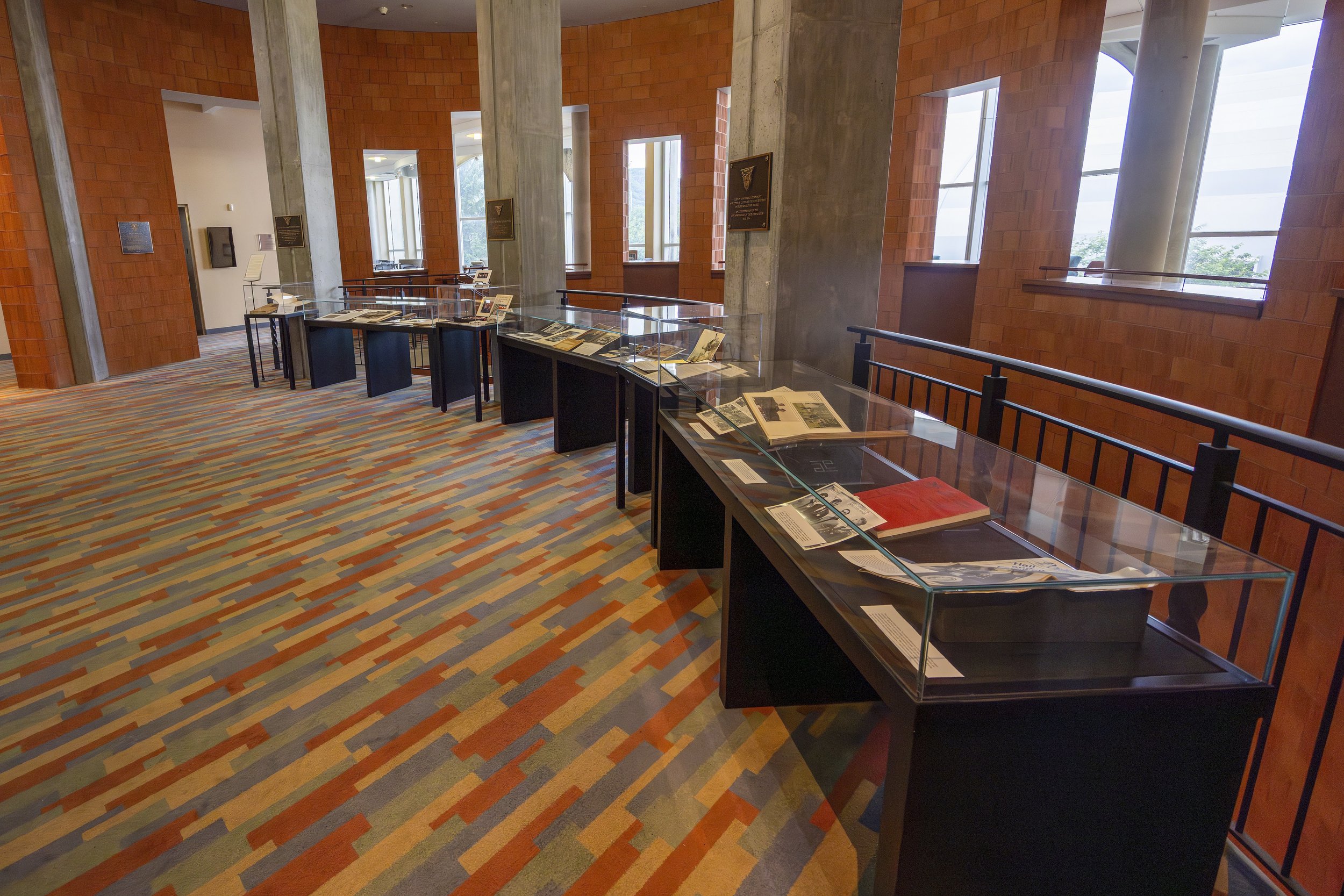
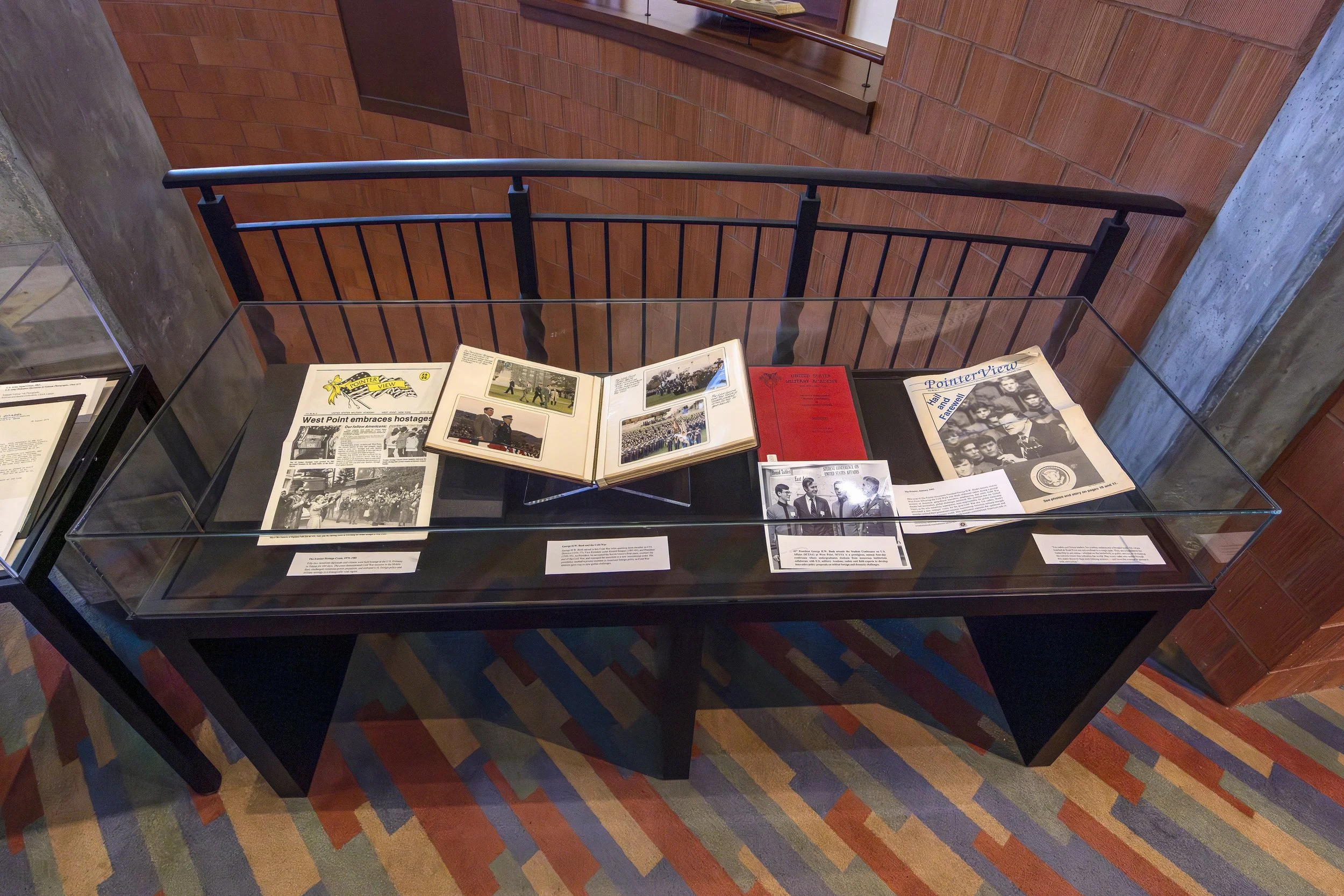
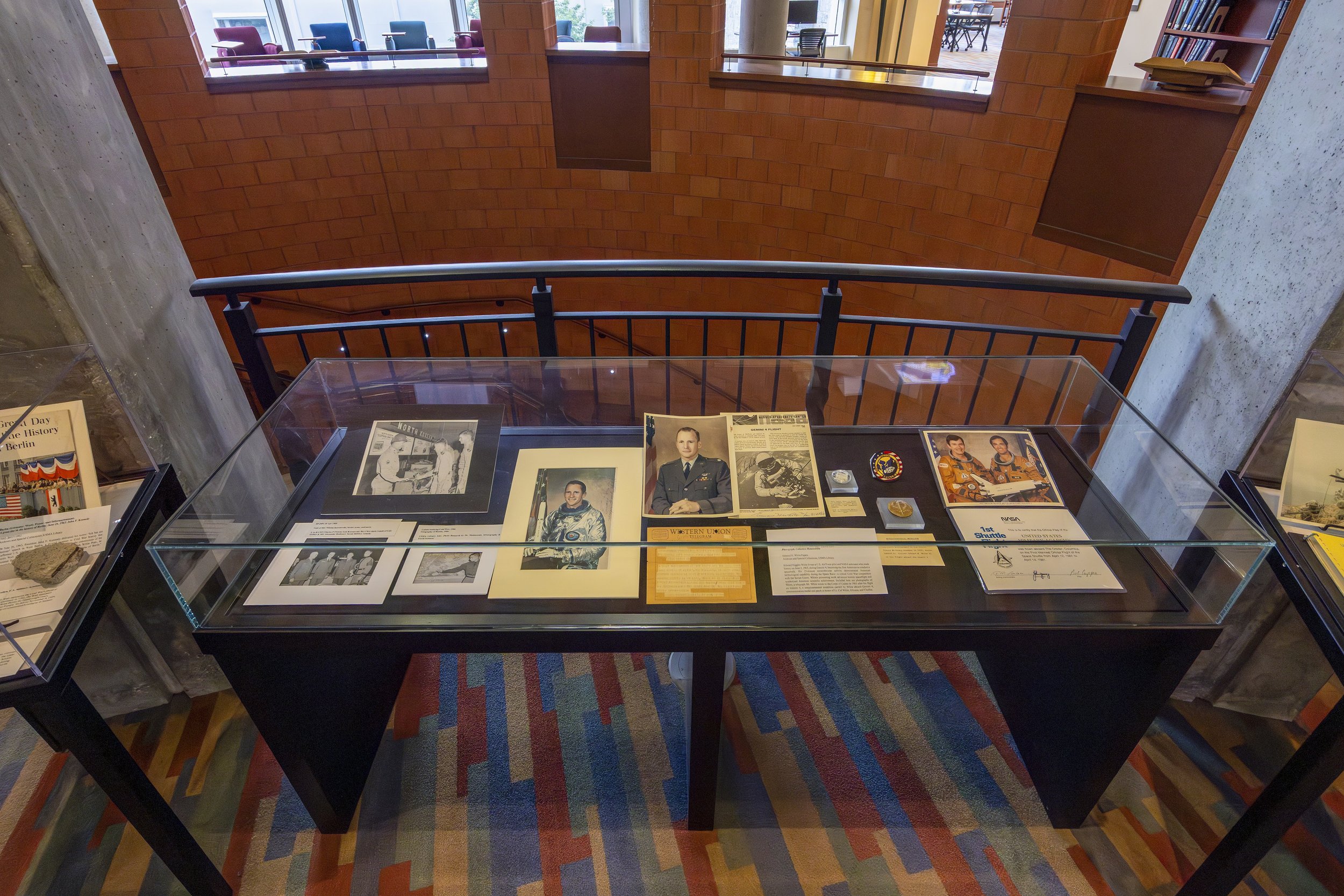
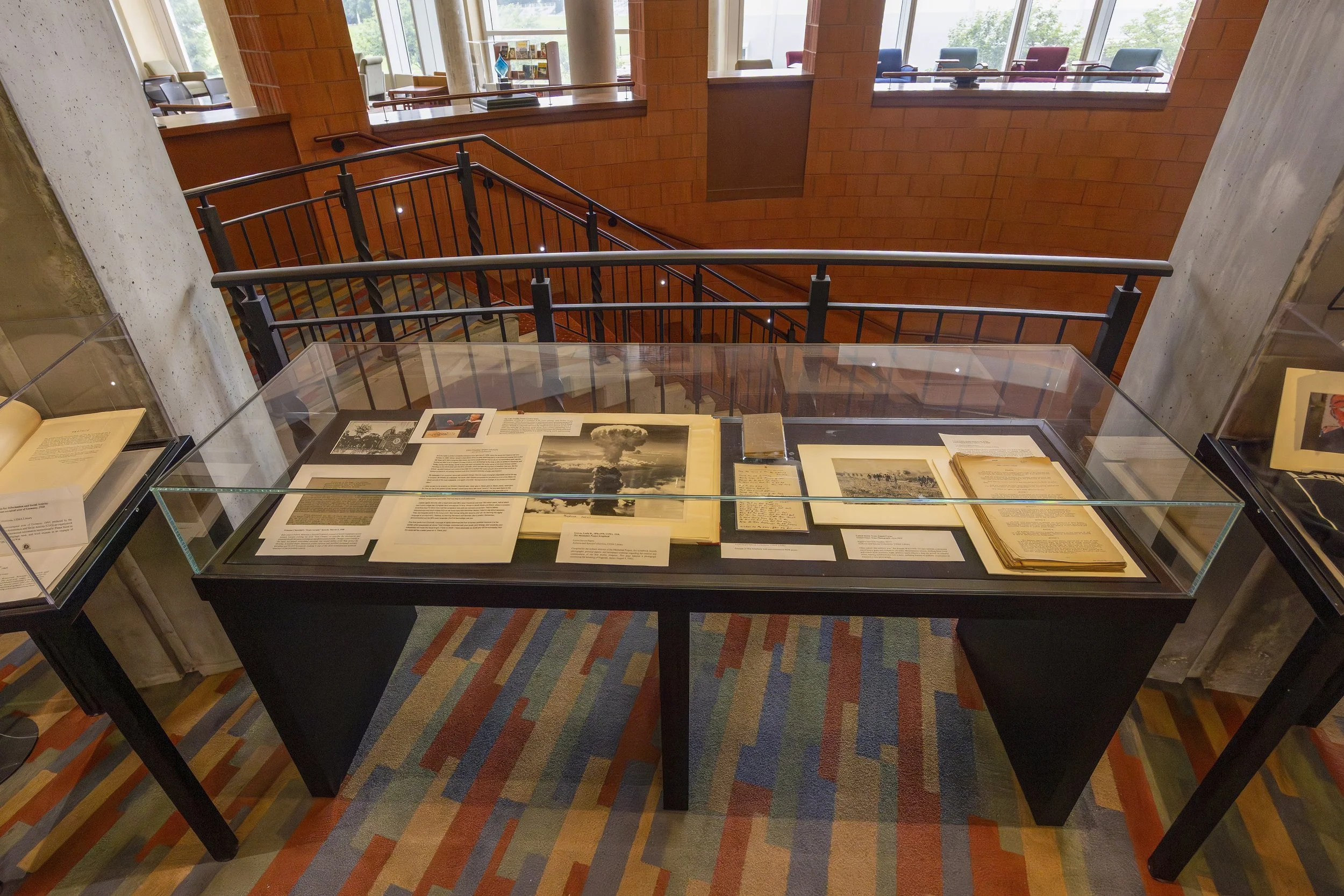
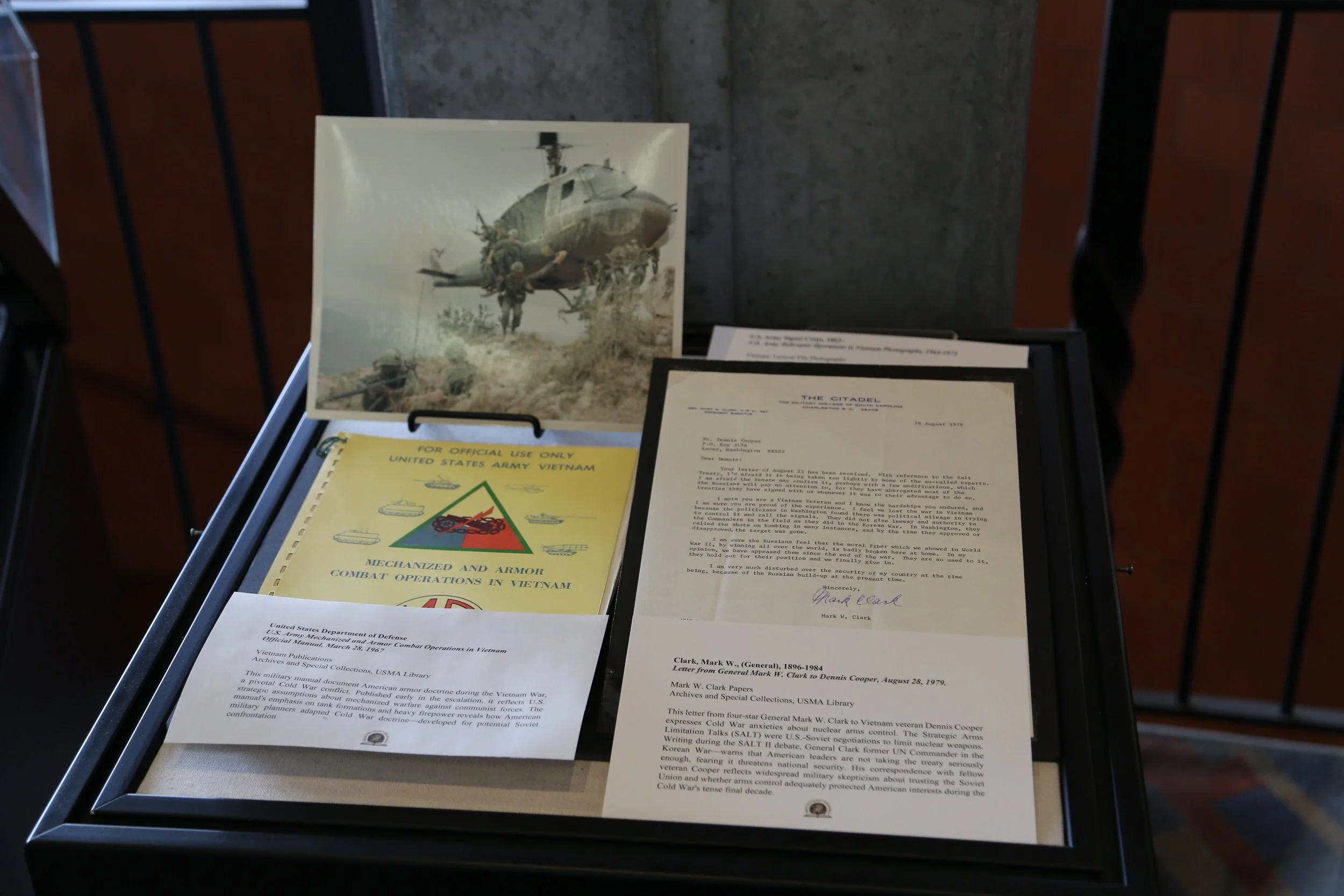
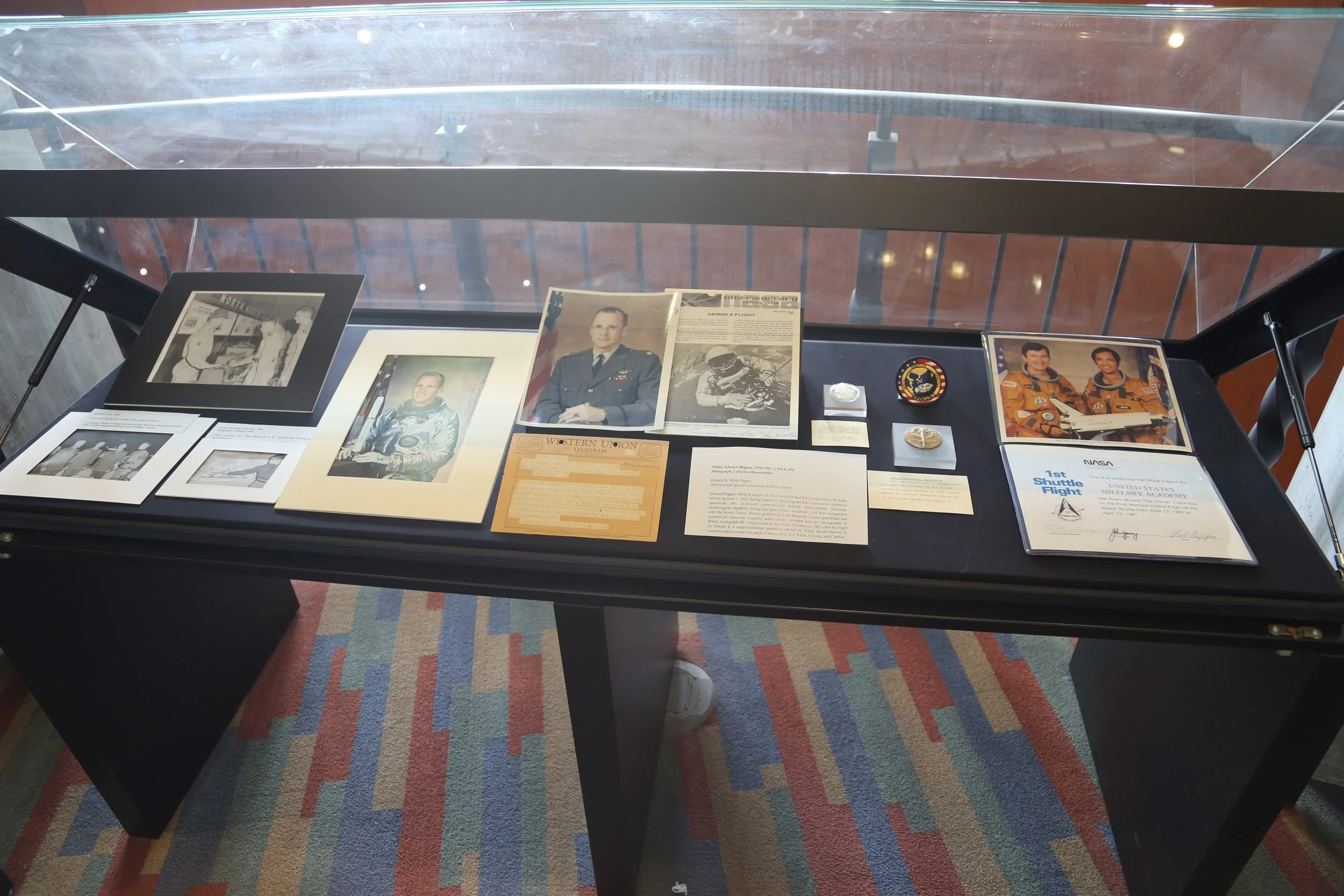
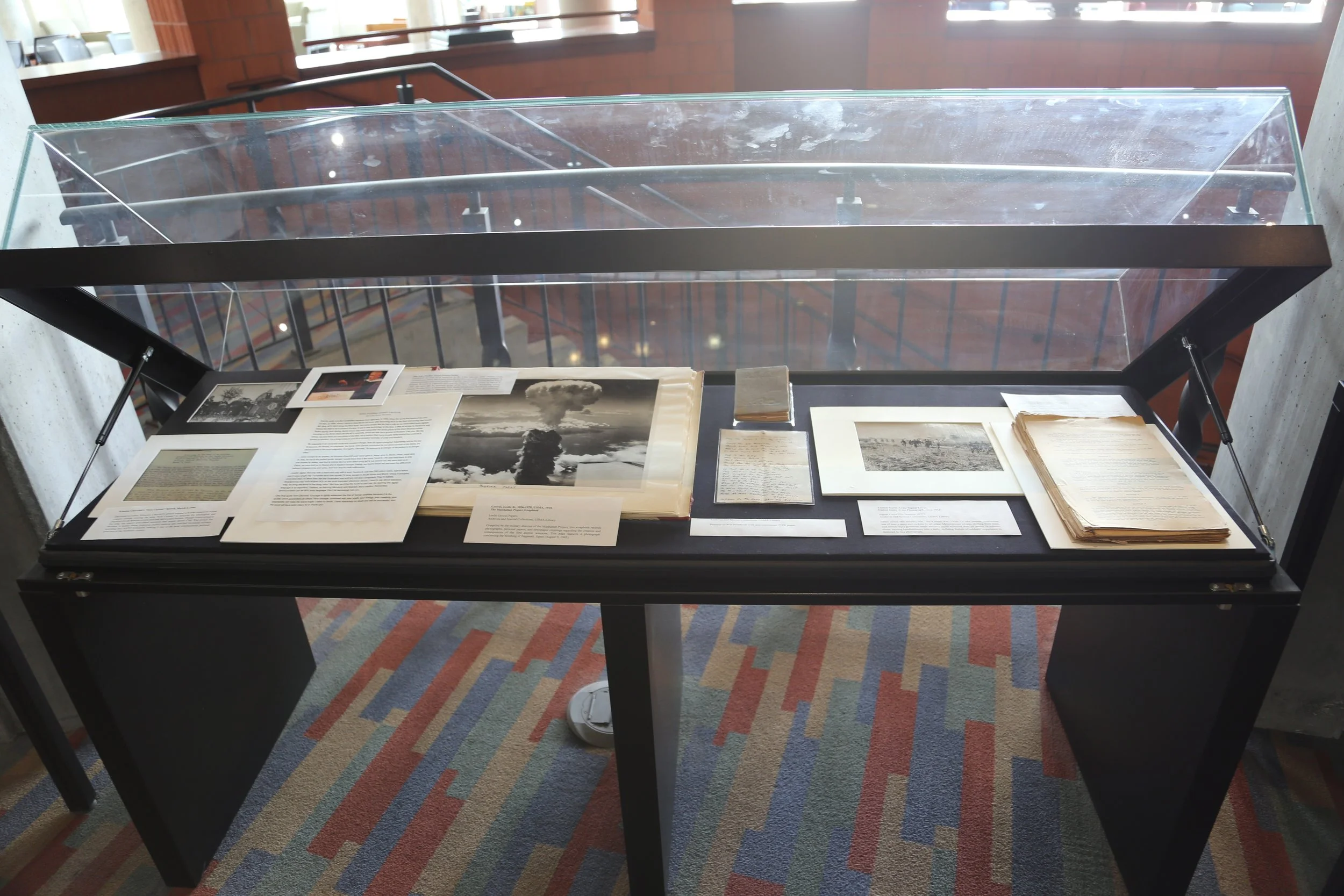
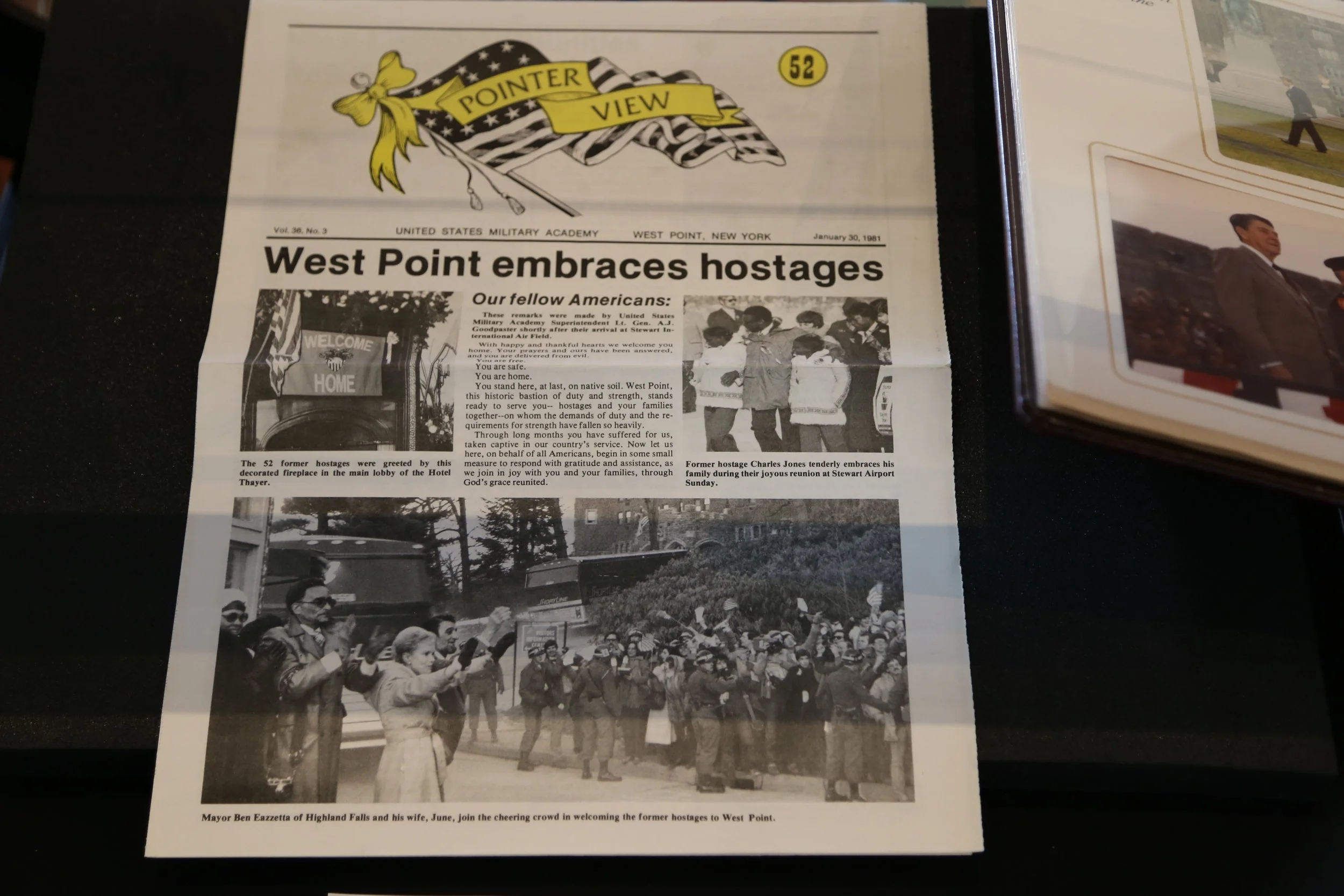
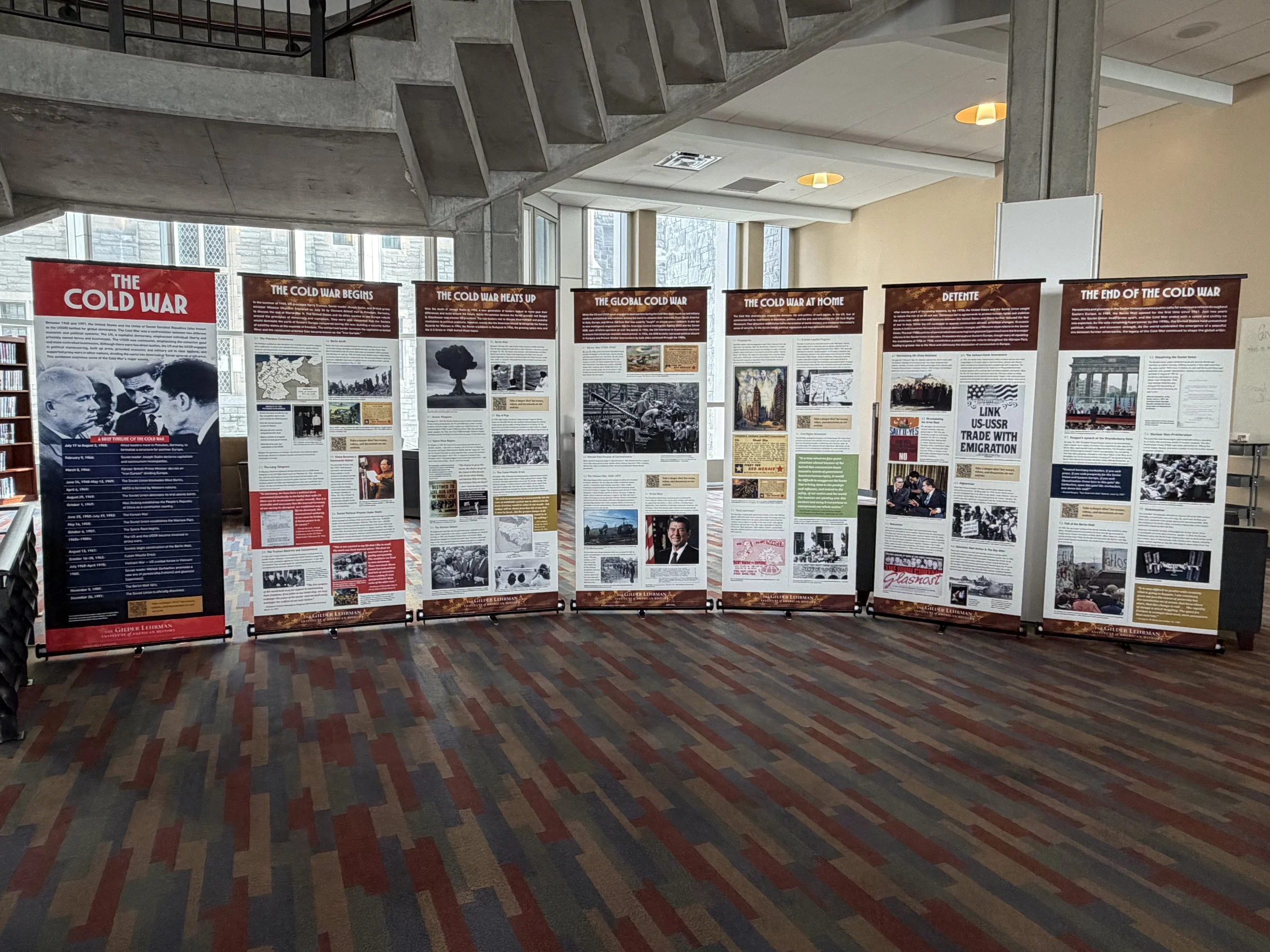
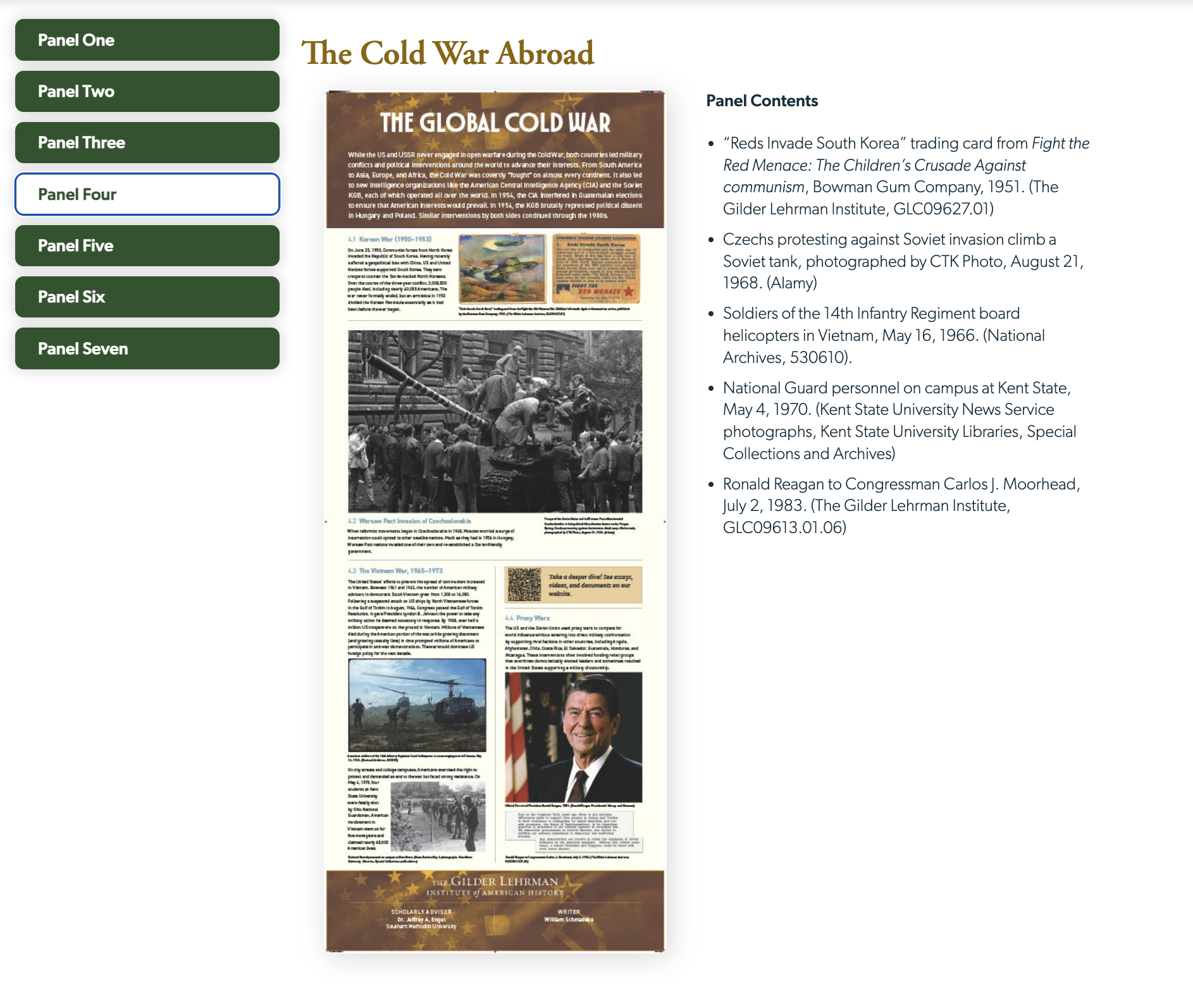
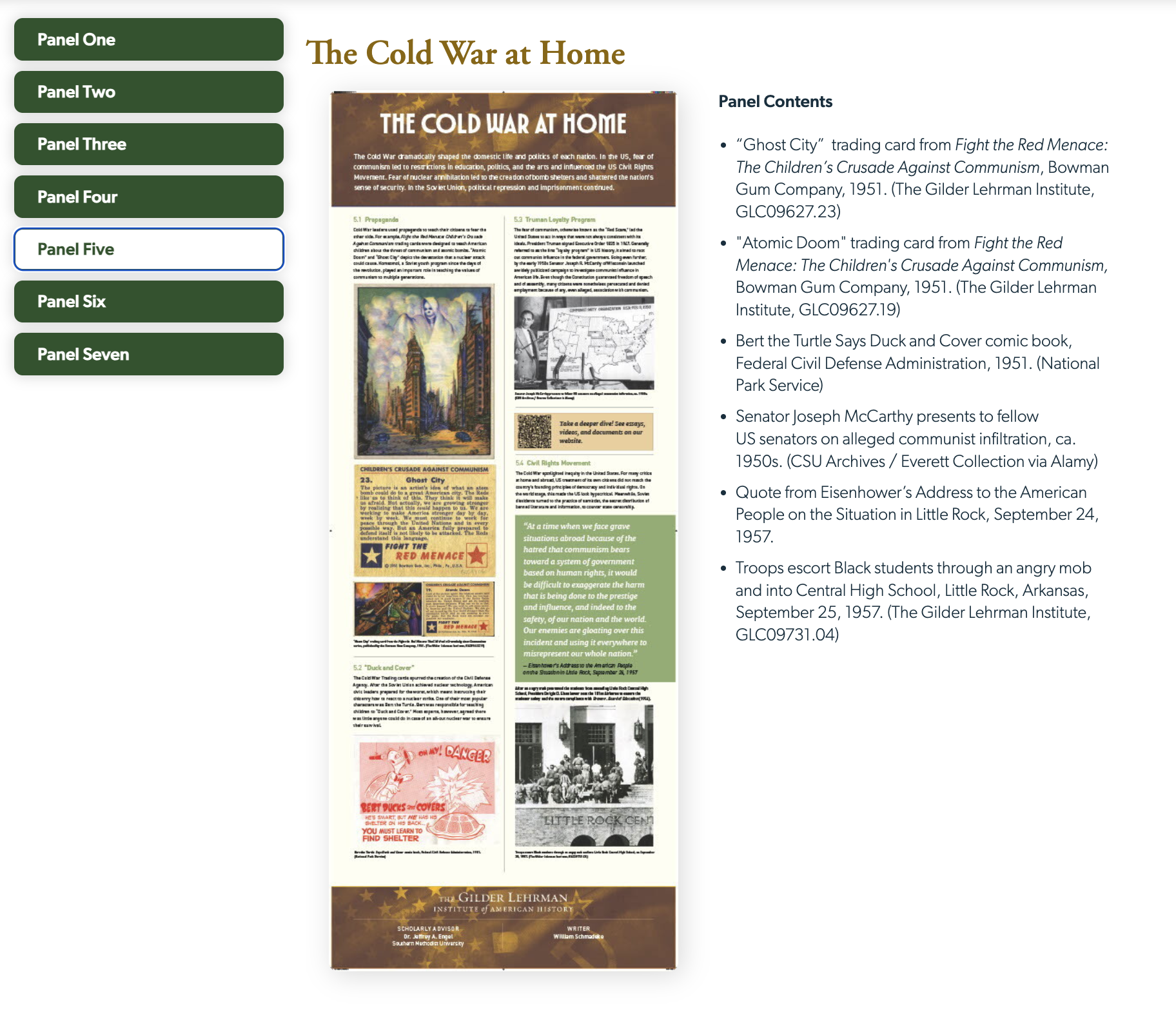
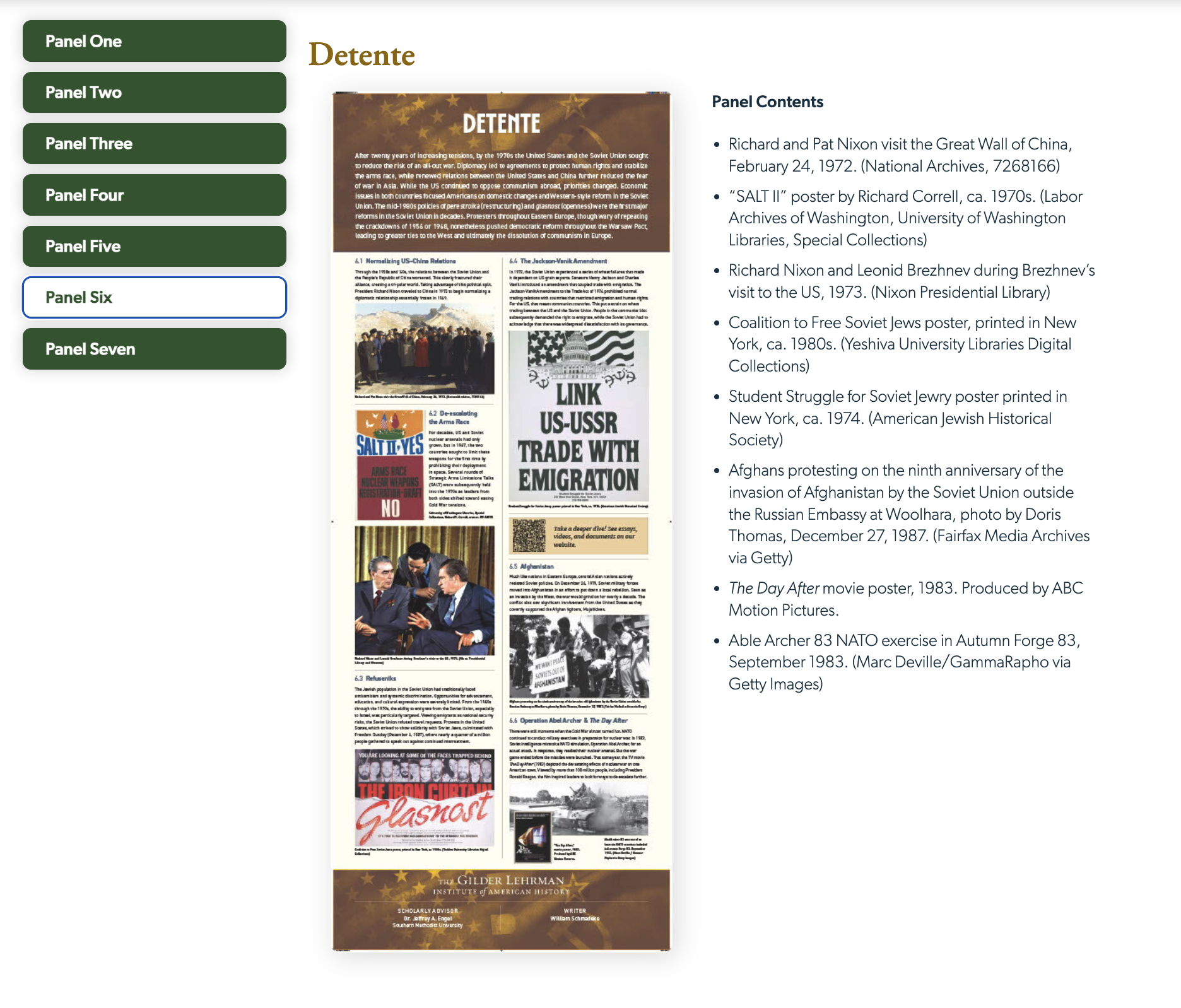
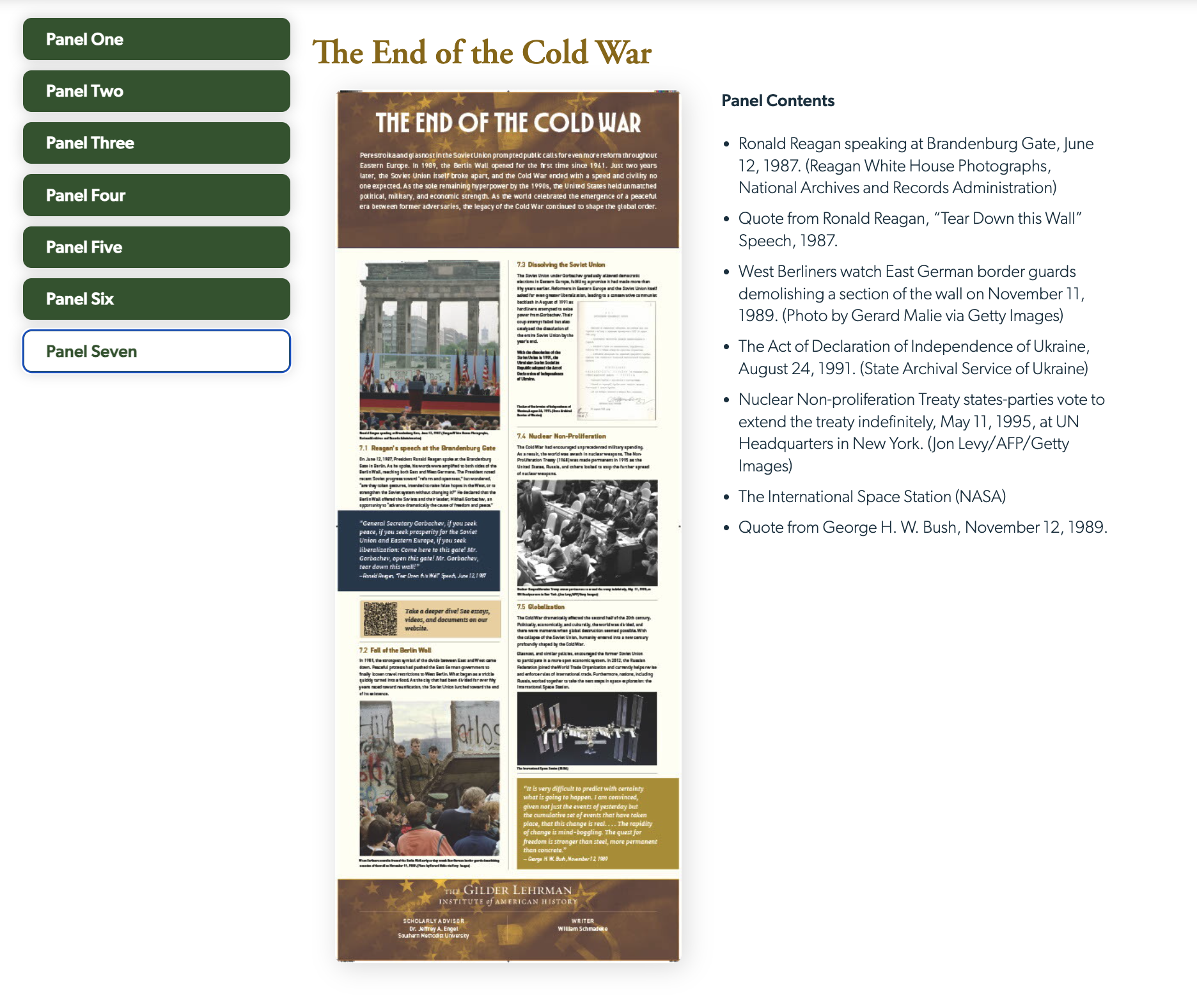
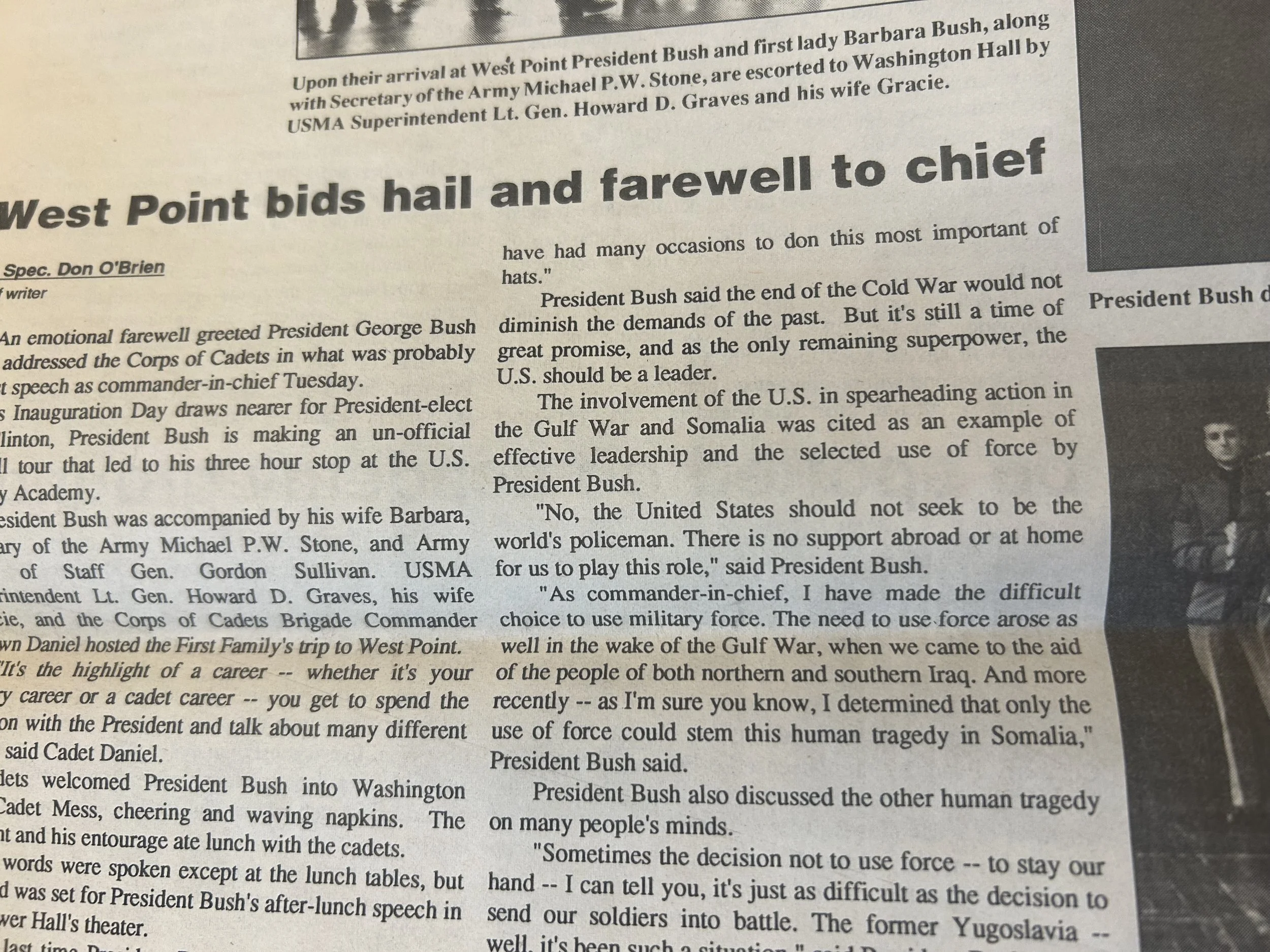
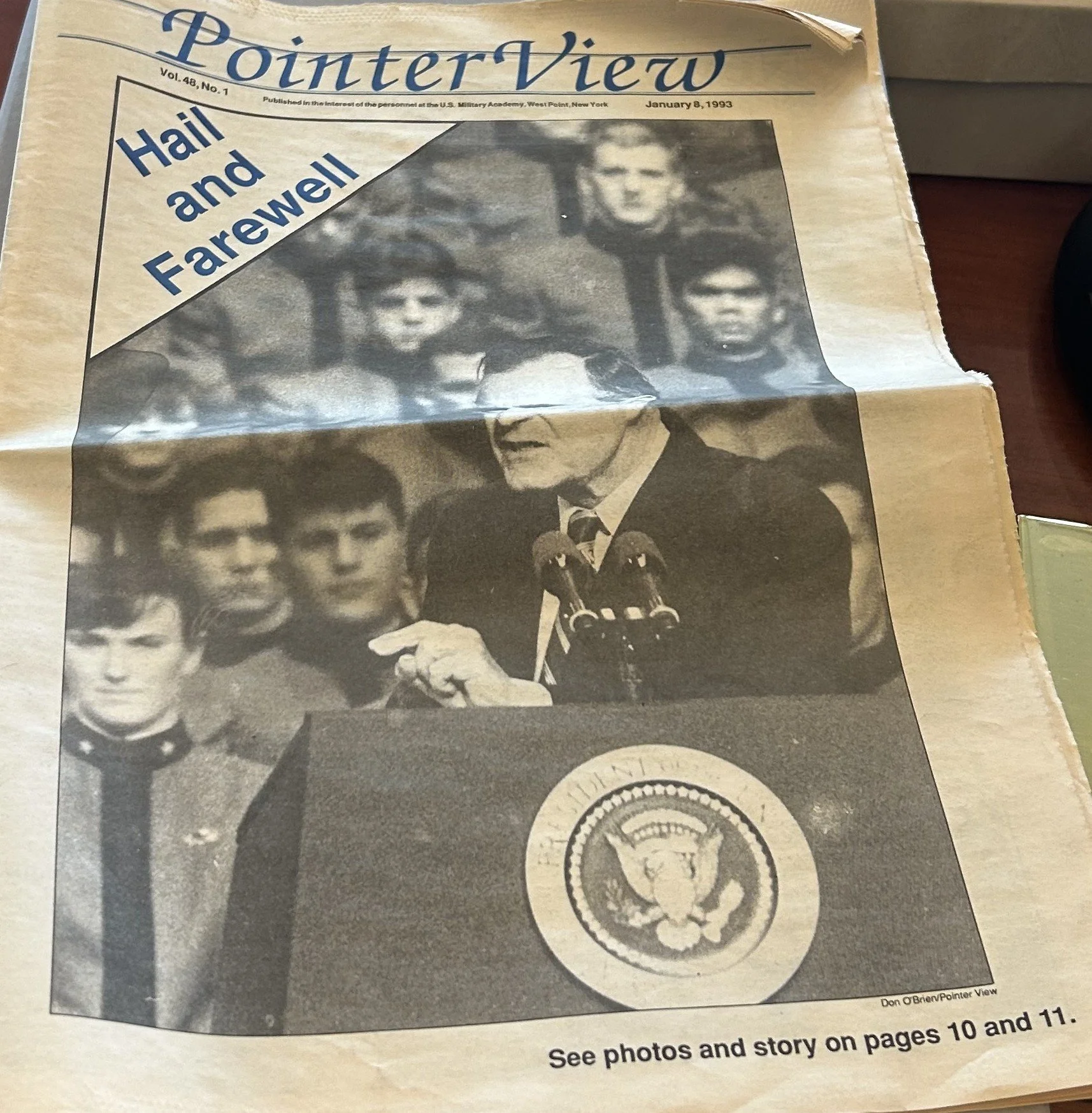
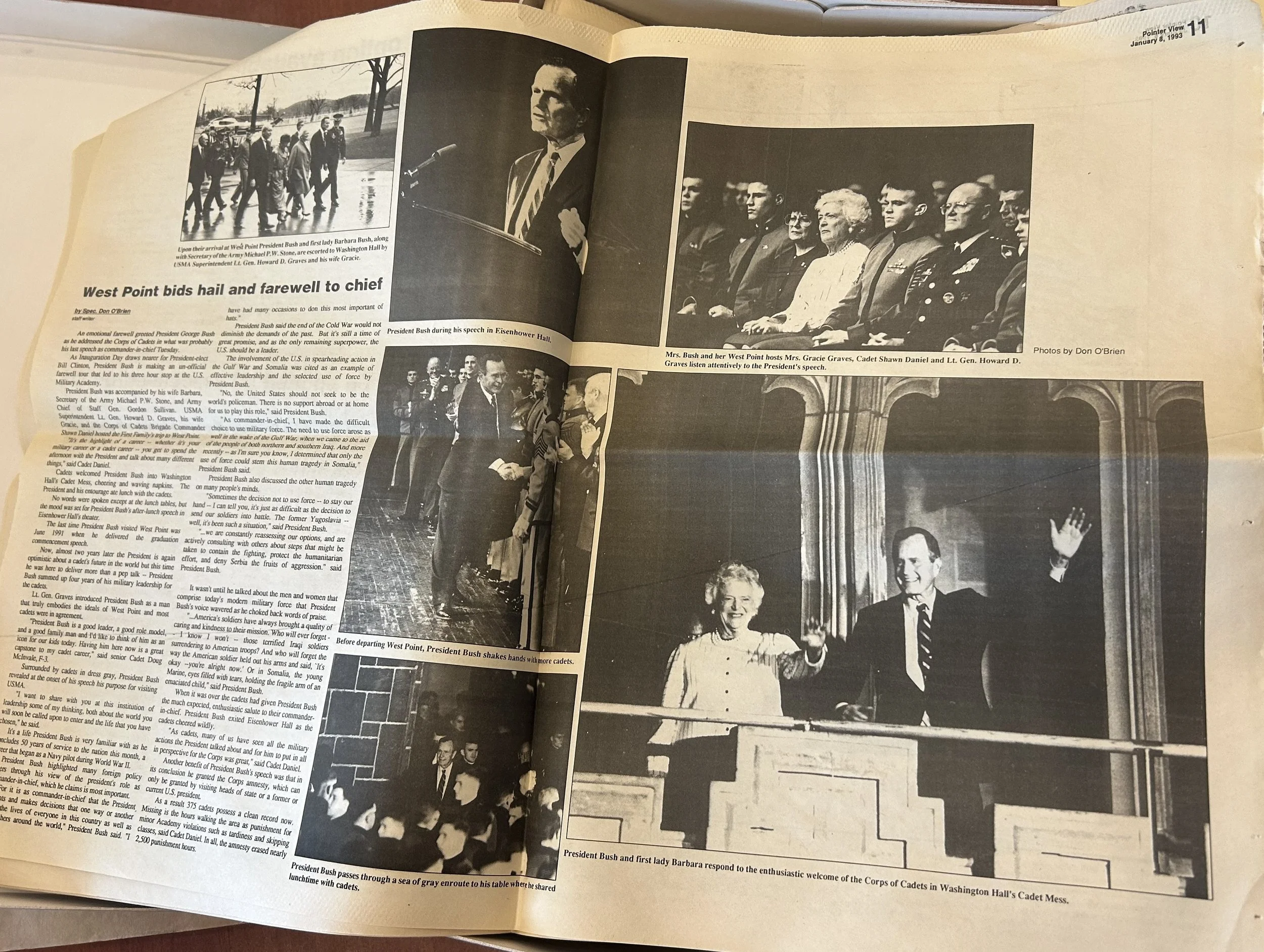
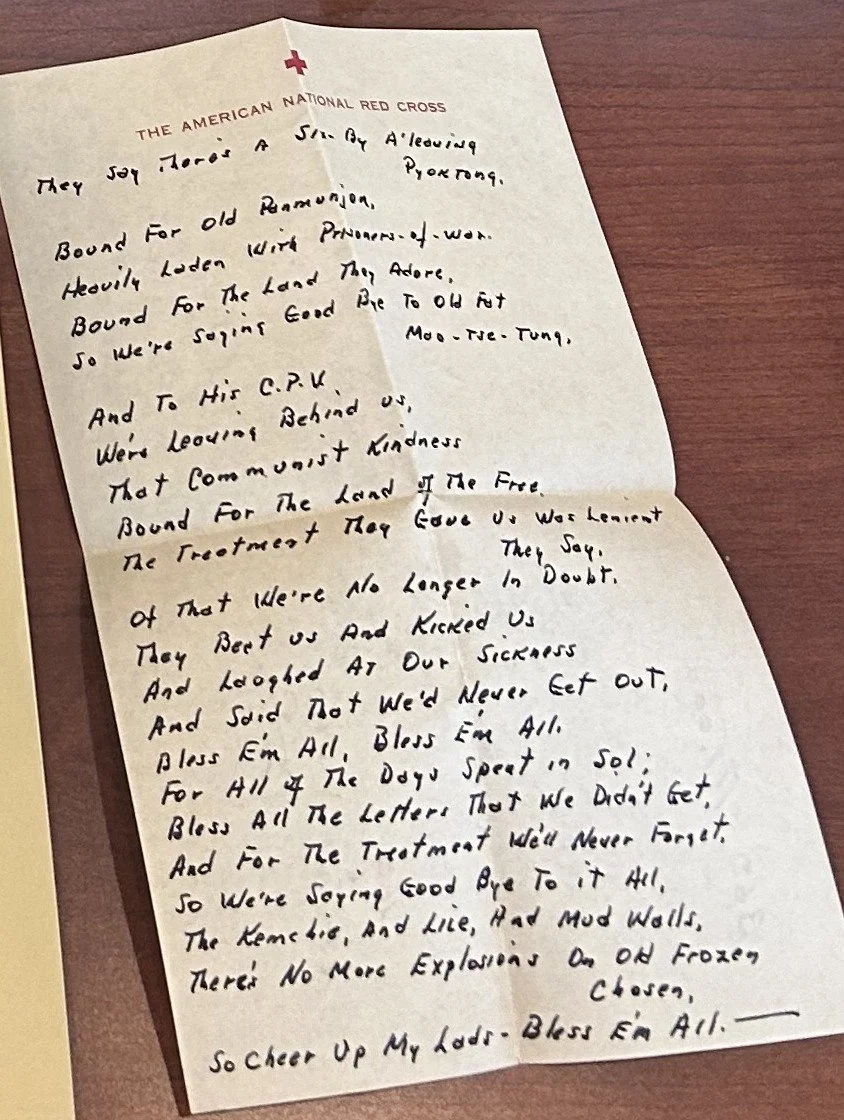
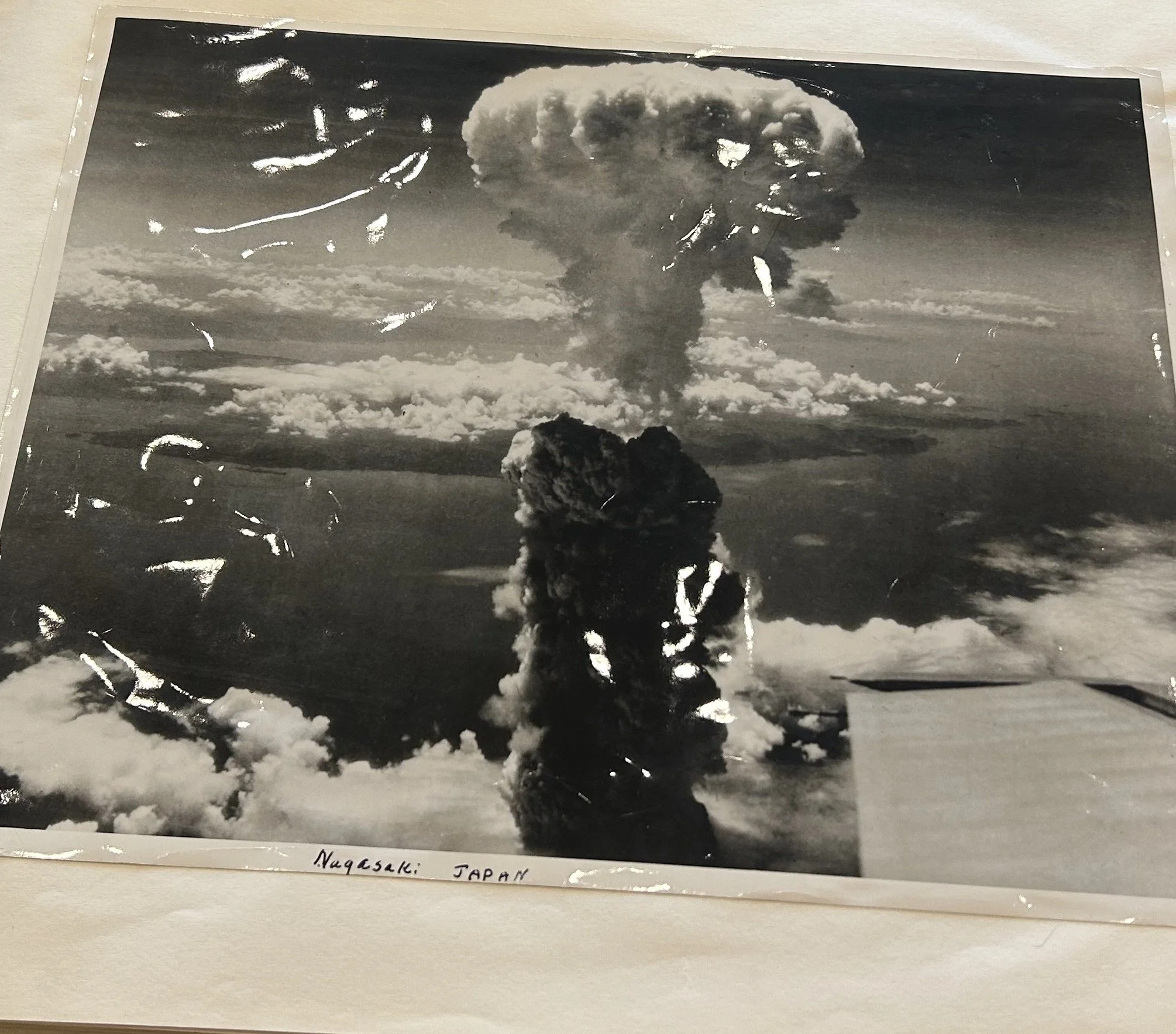
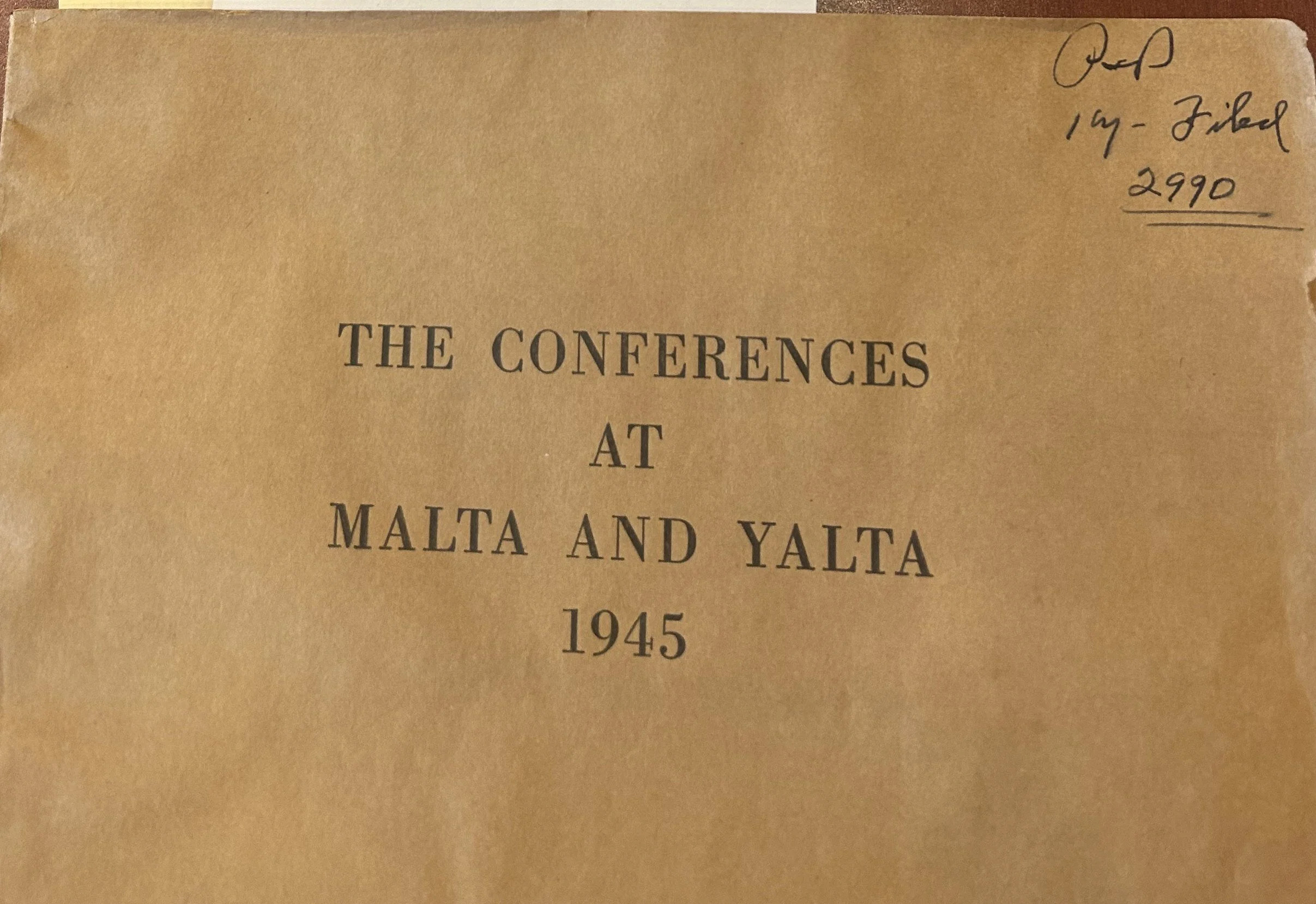
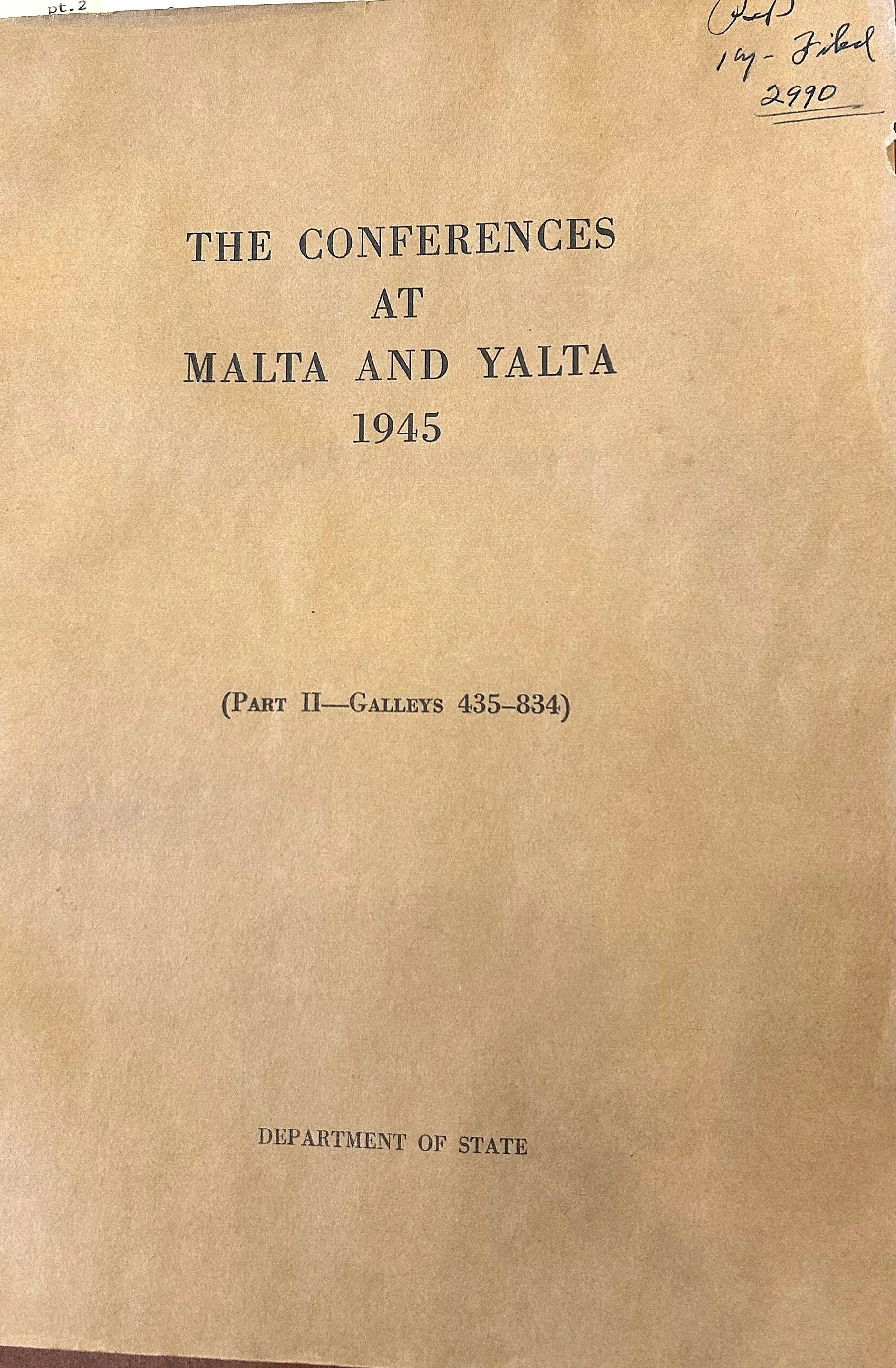
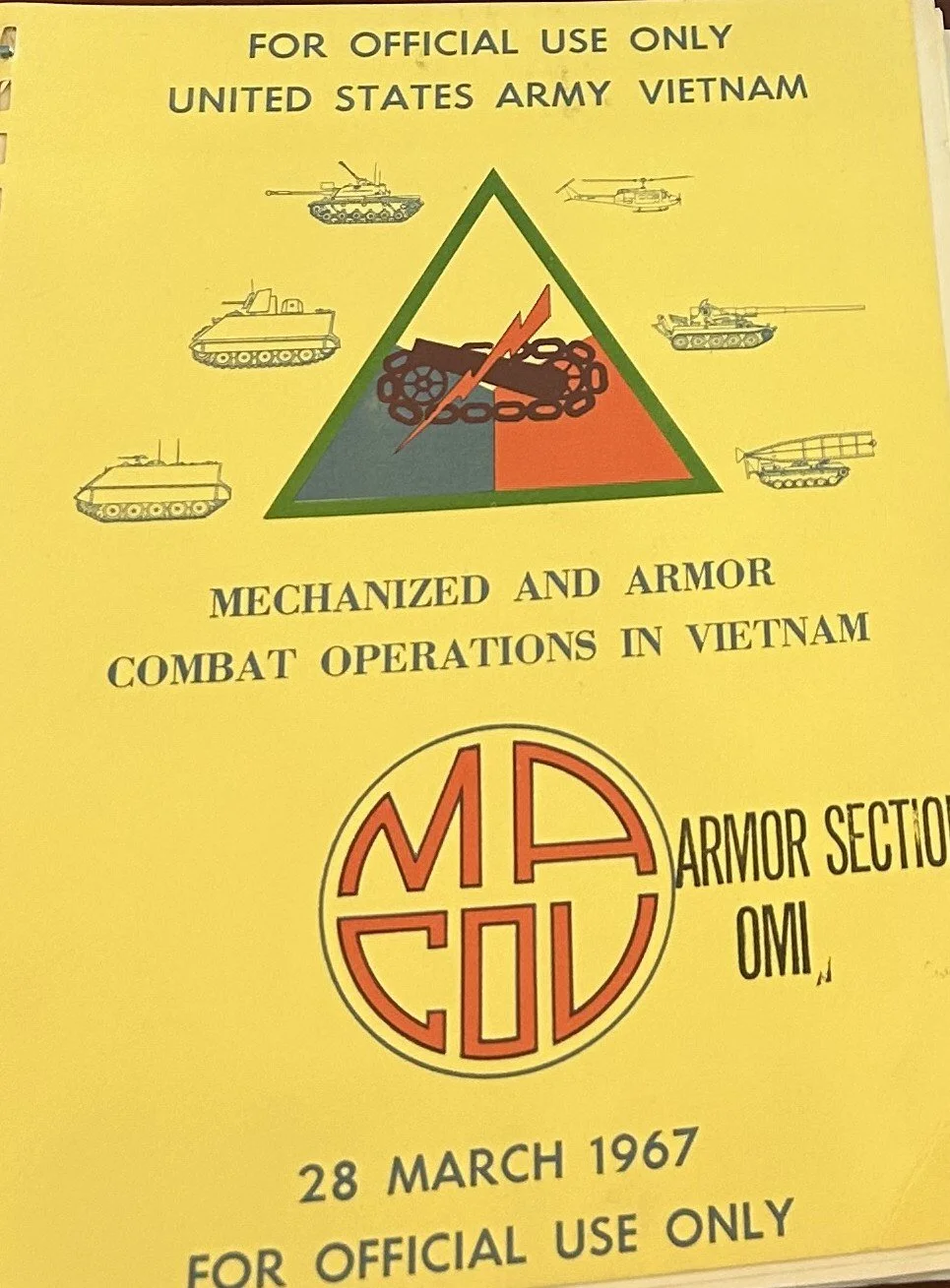
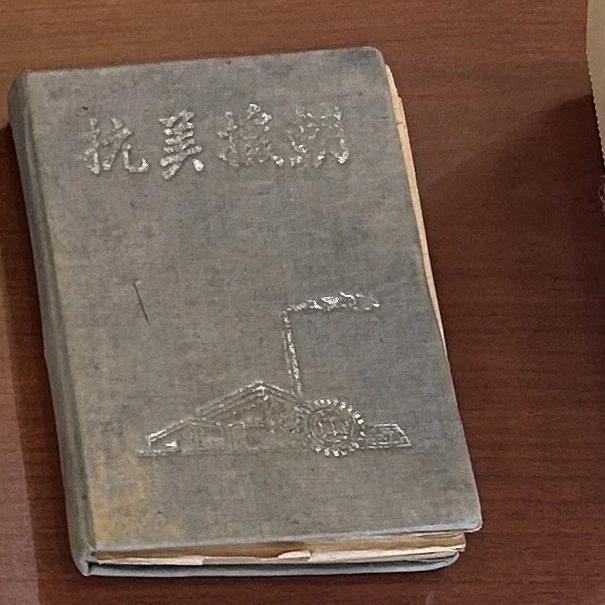
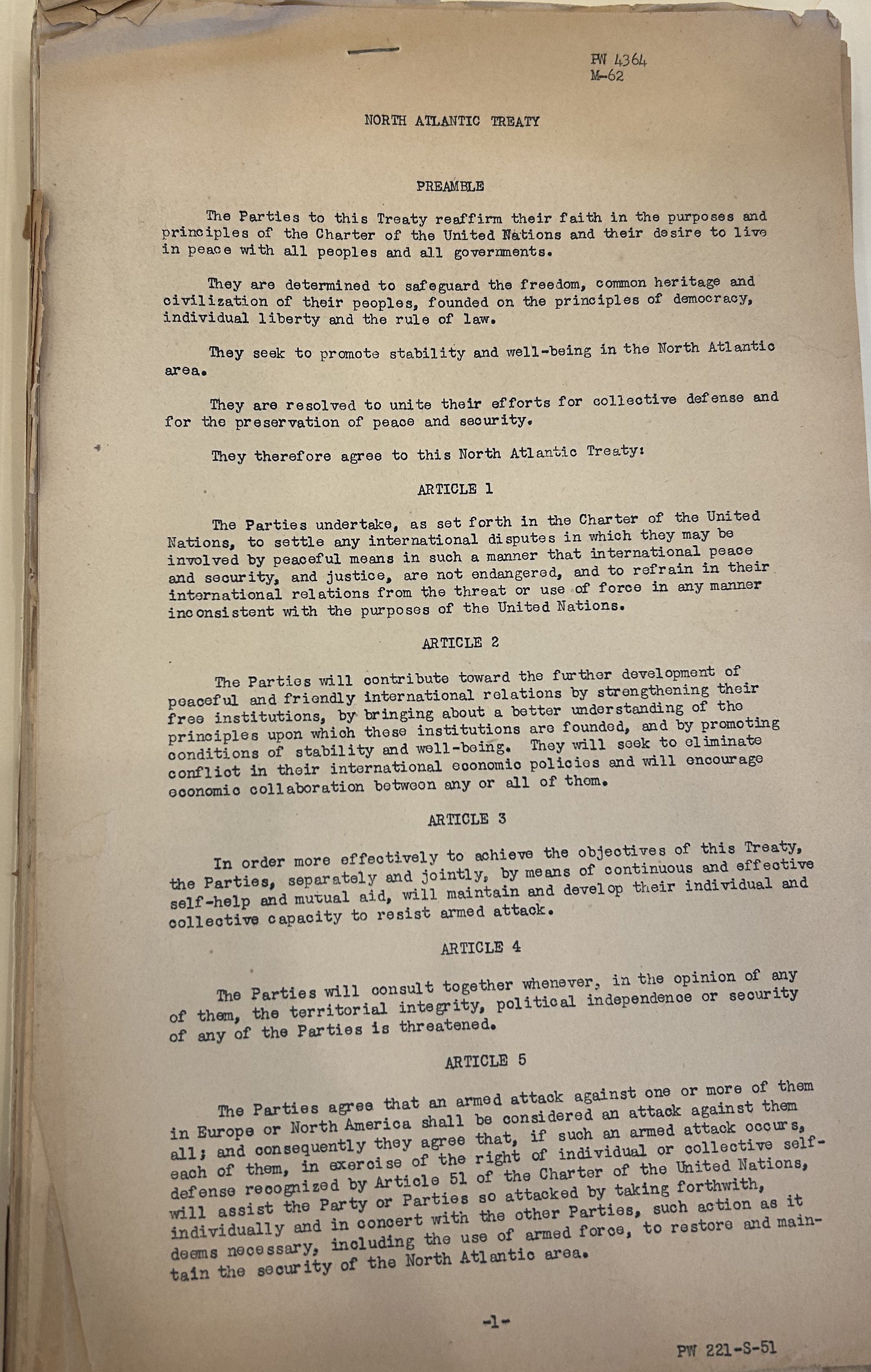
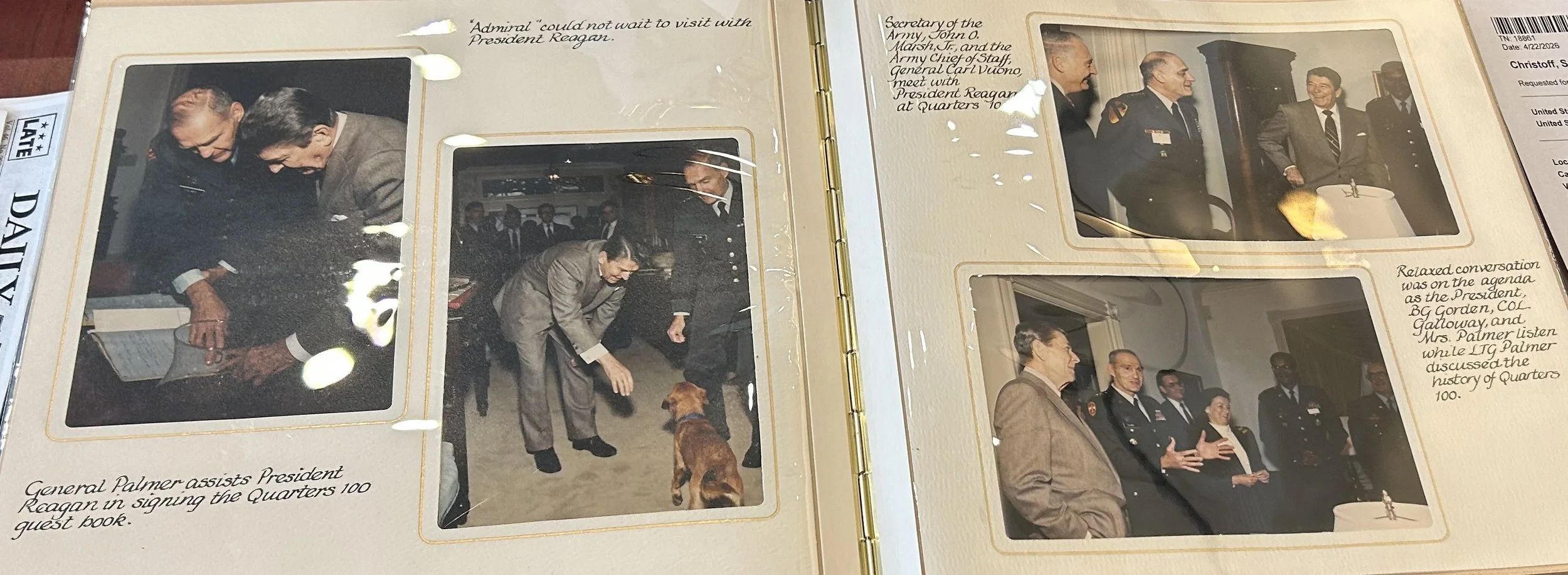
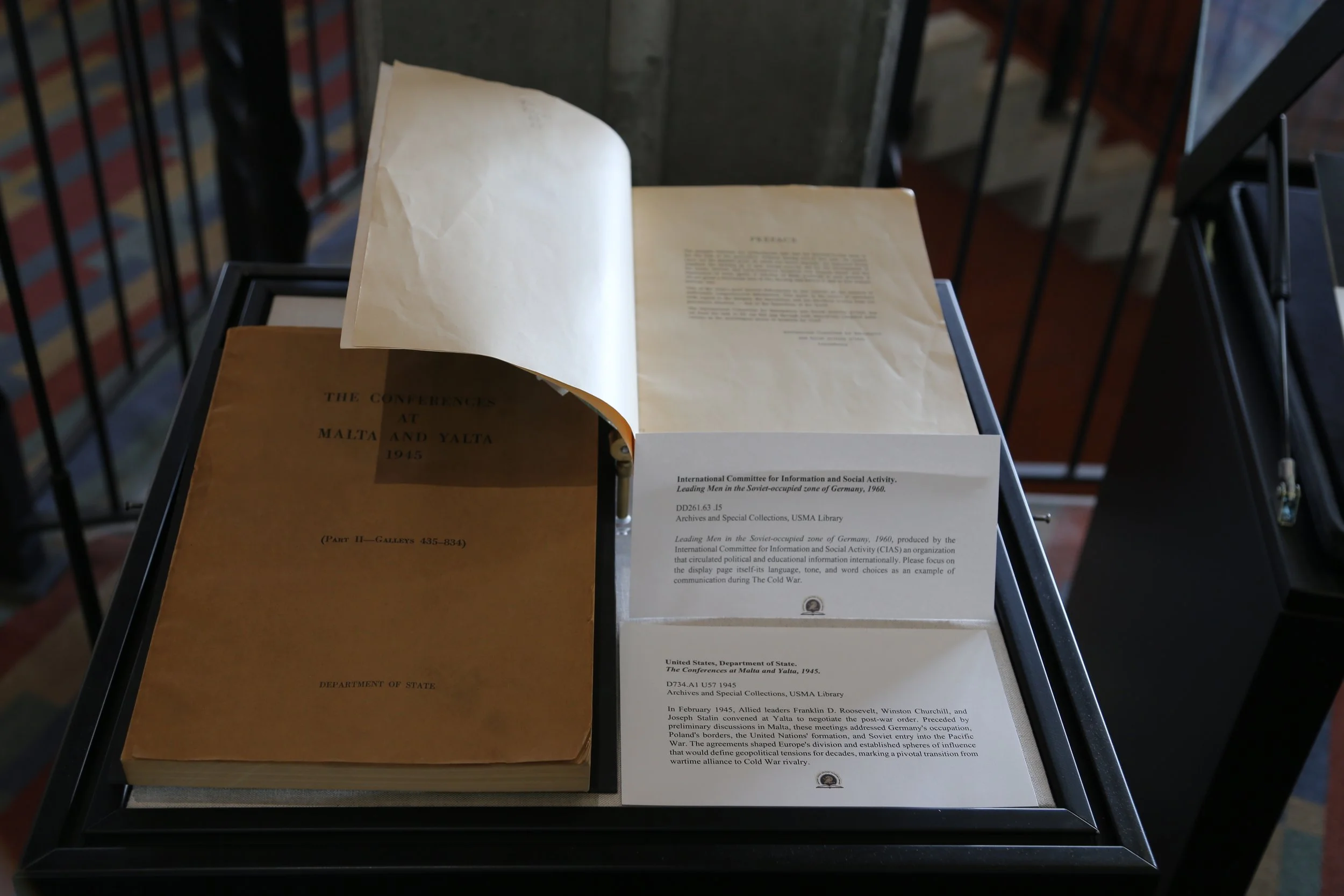
Cold War Archival Exhibit - Overview
by Renee de San Juan
In December 1941, William H. Roedy Sr. stood in front of a bathroom mirror in Hawaii and calmly finished his shave while Japanese planes flew overhead. He was a West Point artillery officer, Class of 1940. When his wife asked him why he didn't stop, he told her, "Because I know I'm going to be gone for a long time."
He was right. He went to war and came home to raise a family that would do the same. By the time his son's commission arrived from the Academy in 1970, the father's war had given way to the son's: a different kind of war, fought across a divided continent through the long, disciplined patience of deterrence. As an Airborne Ranger, Bill Roedy quickly transitioned from combat duty in Vietnam to the North Atlantic Treaty Organization, where he commanded nuclear-capable Nike Hercules missile sites in Italy. His job was to hold a line that, if held well enough, would not have to be crossed.
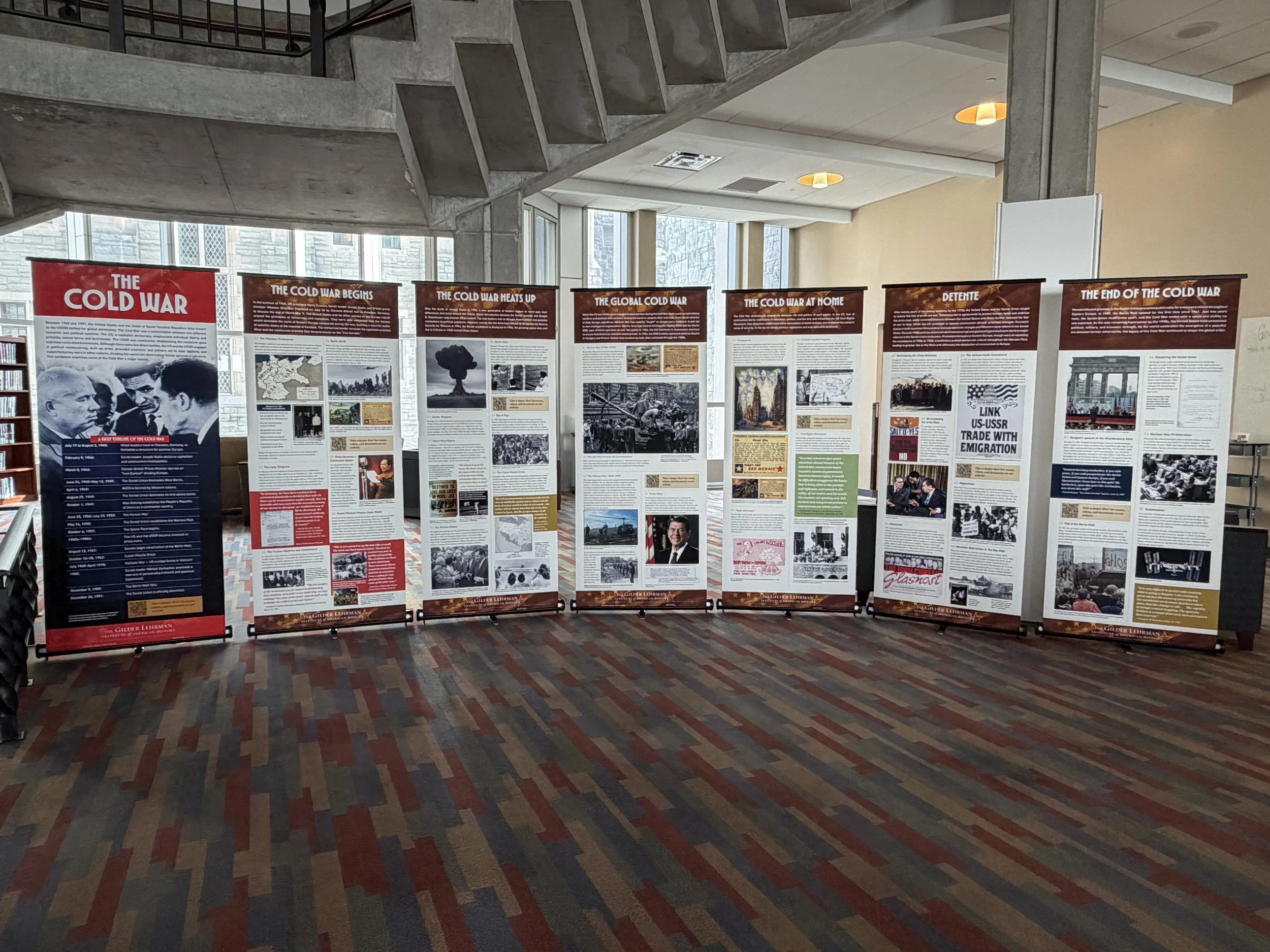
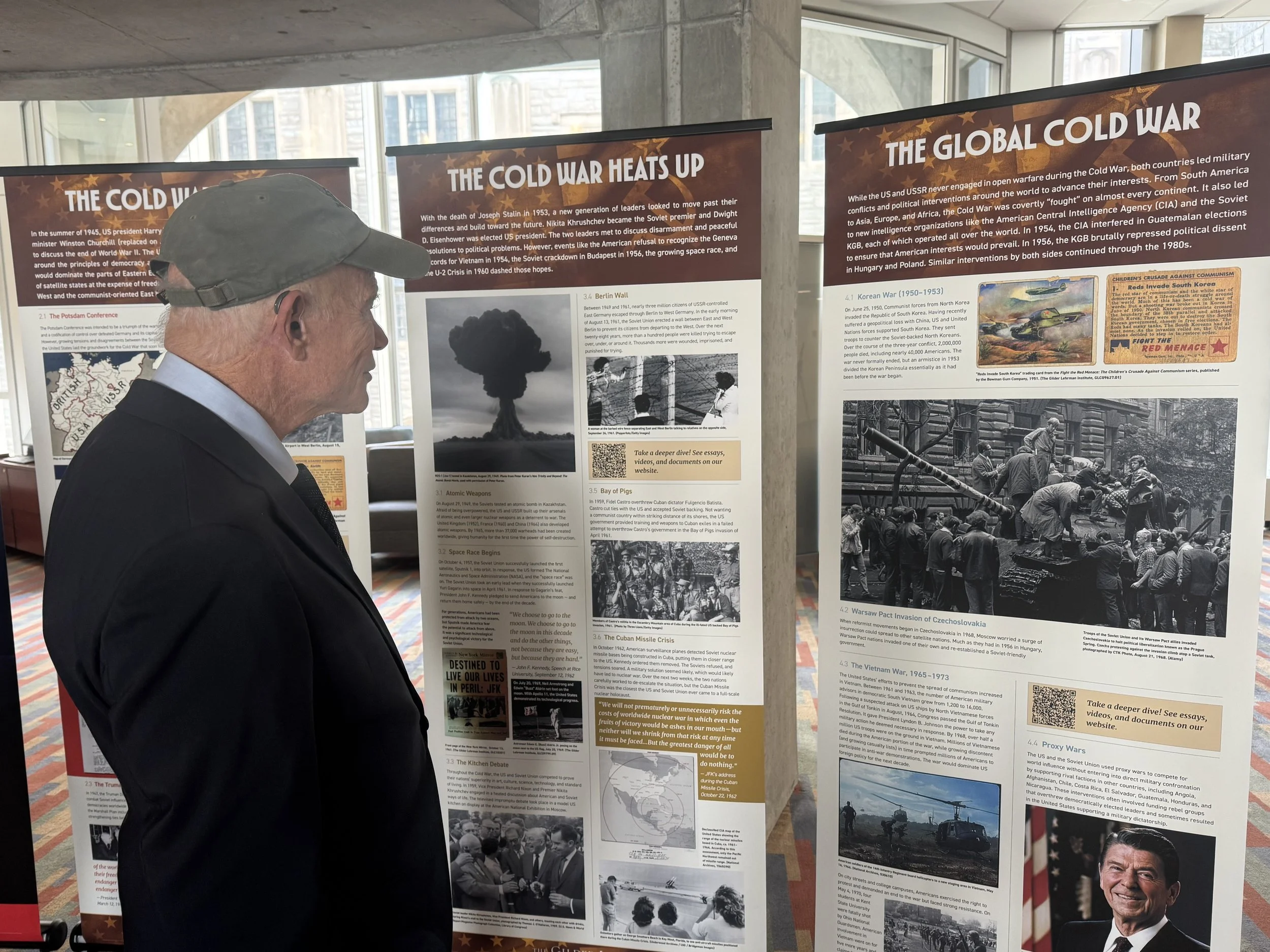
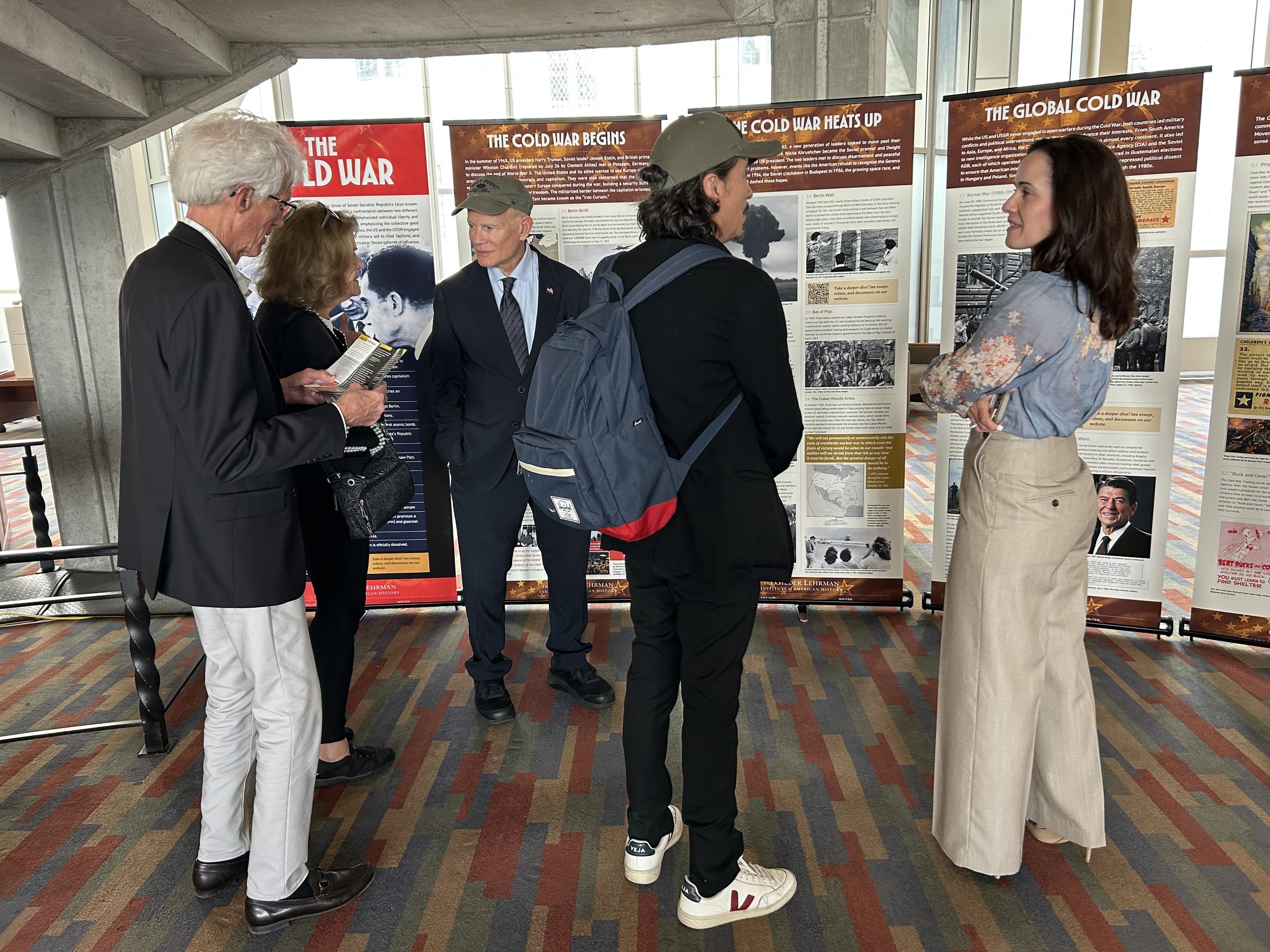
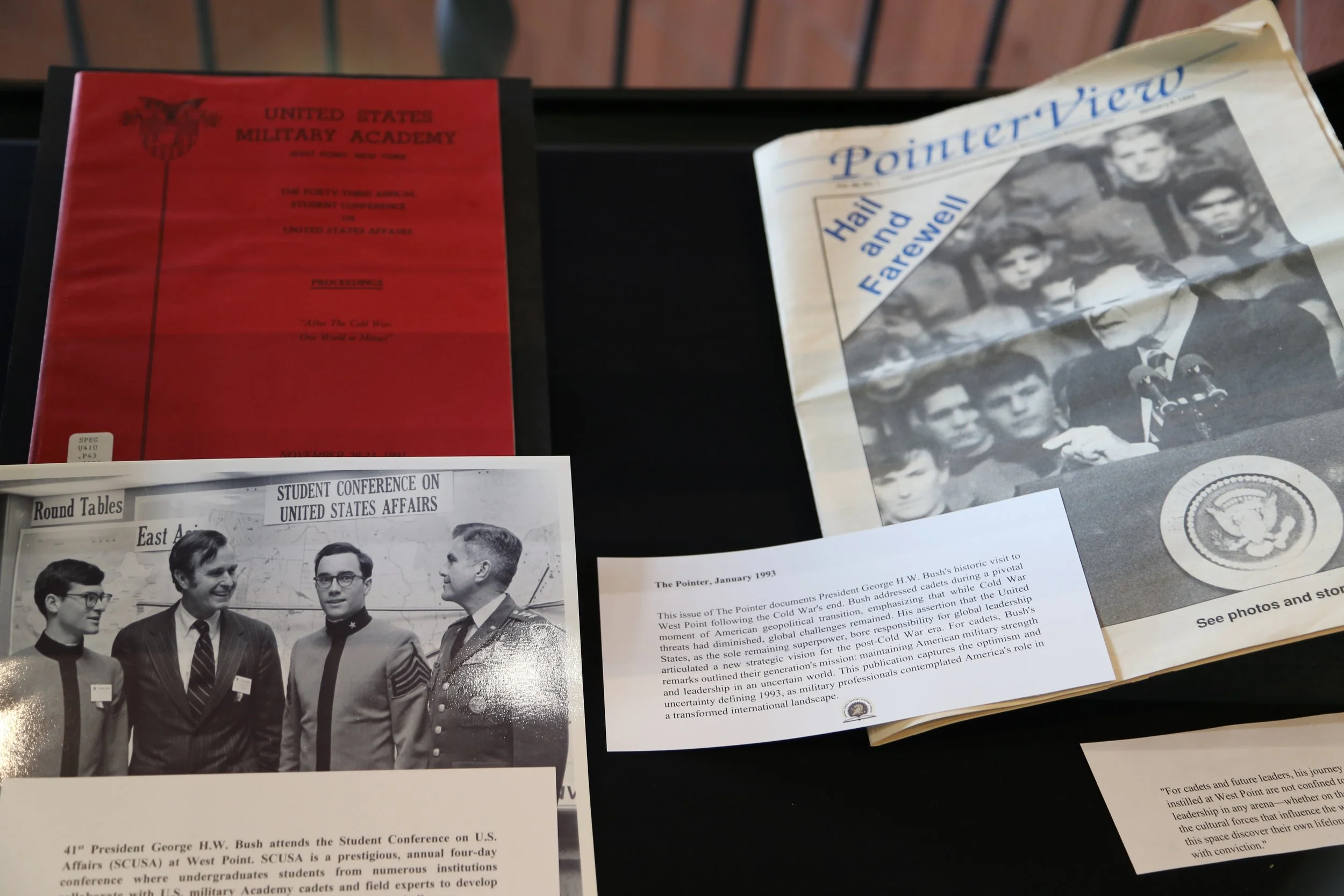
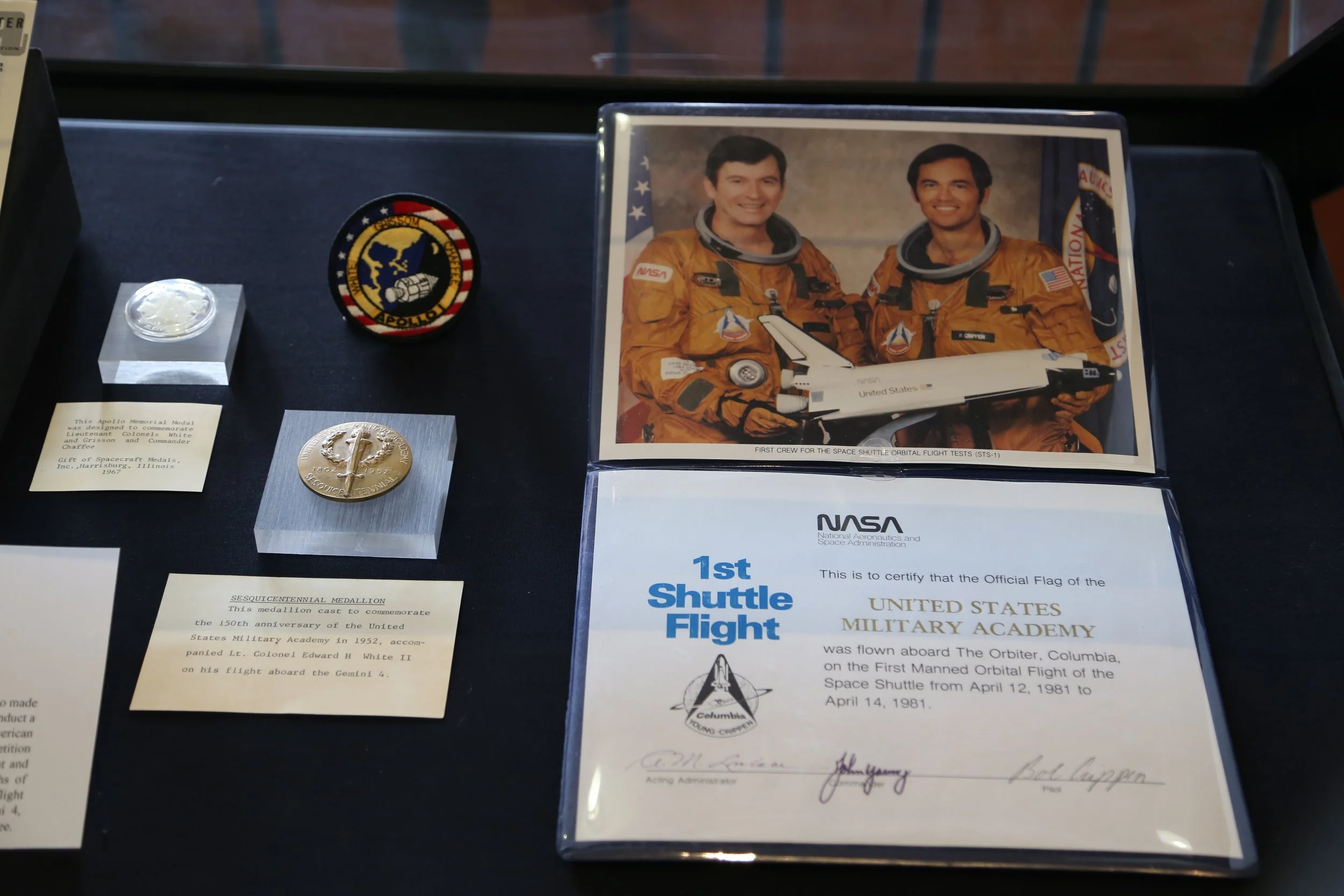
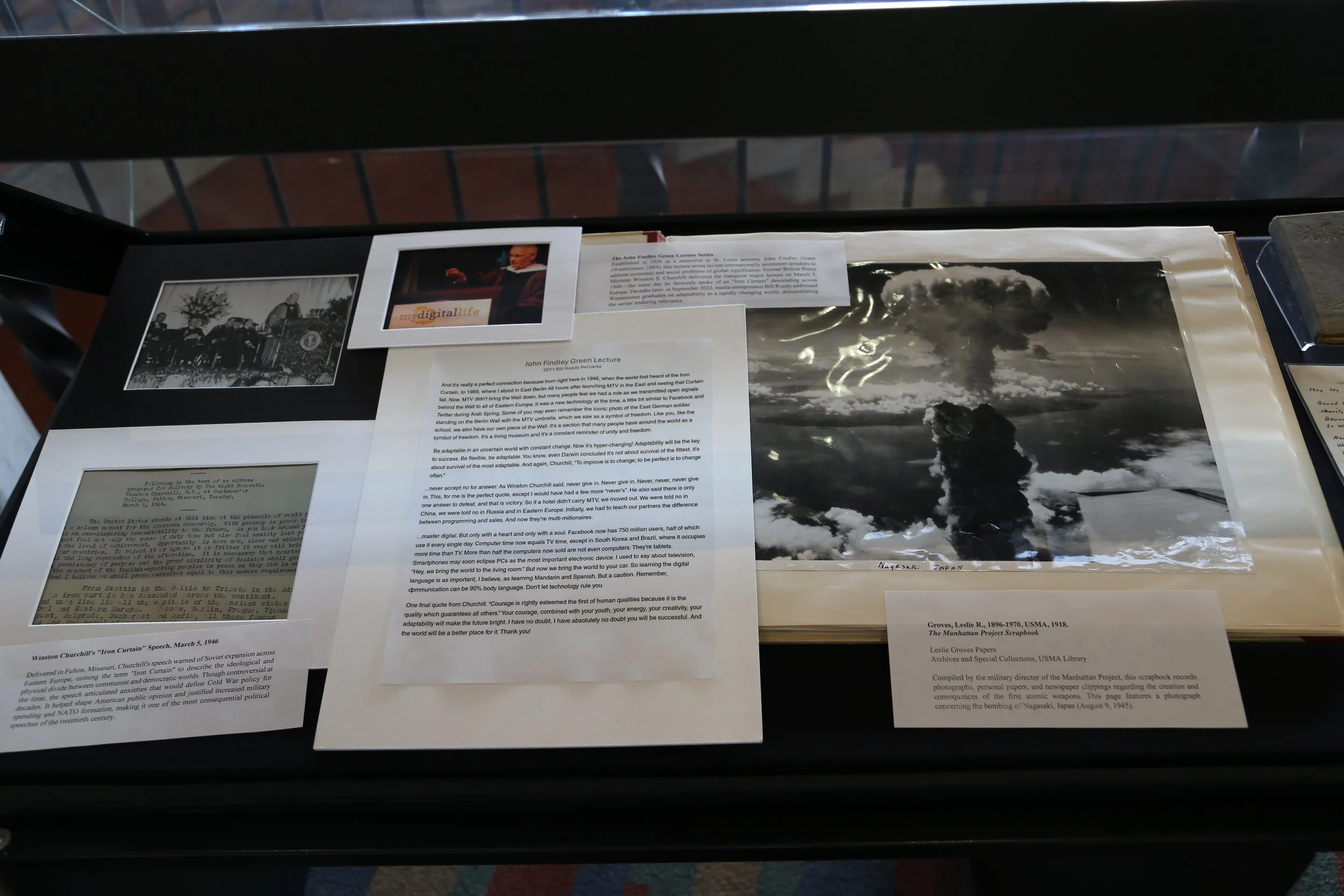
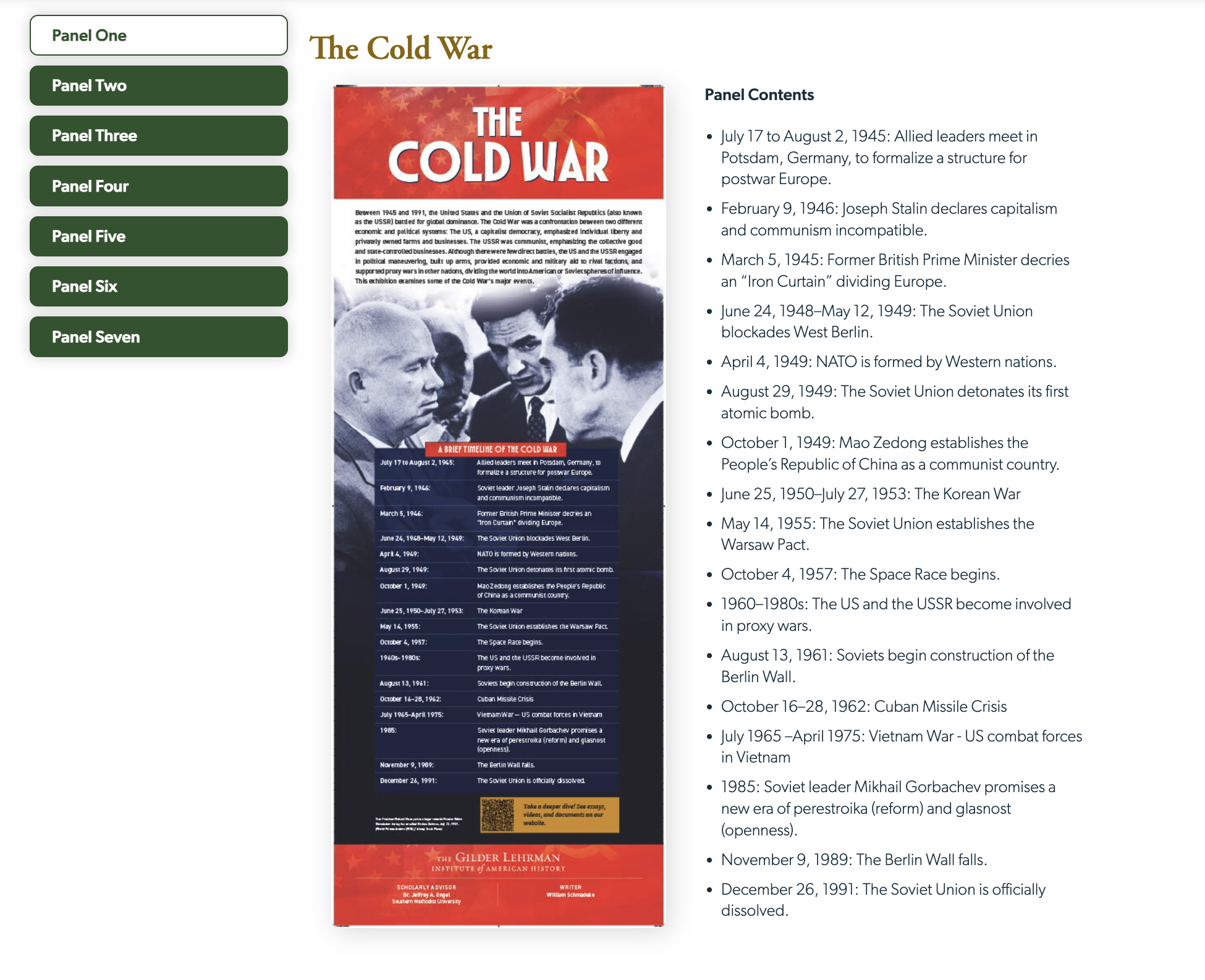
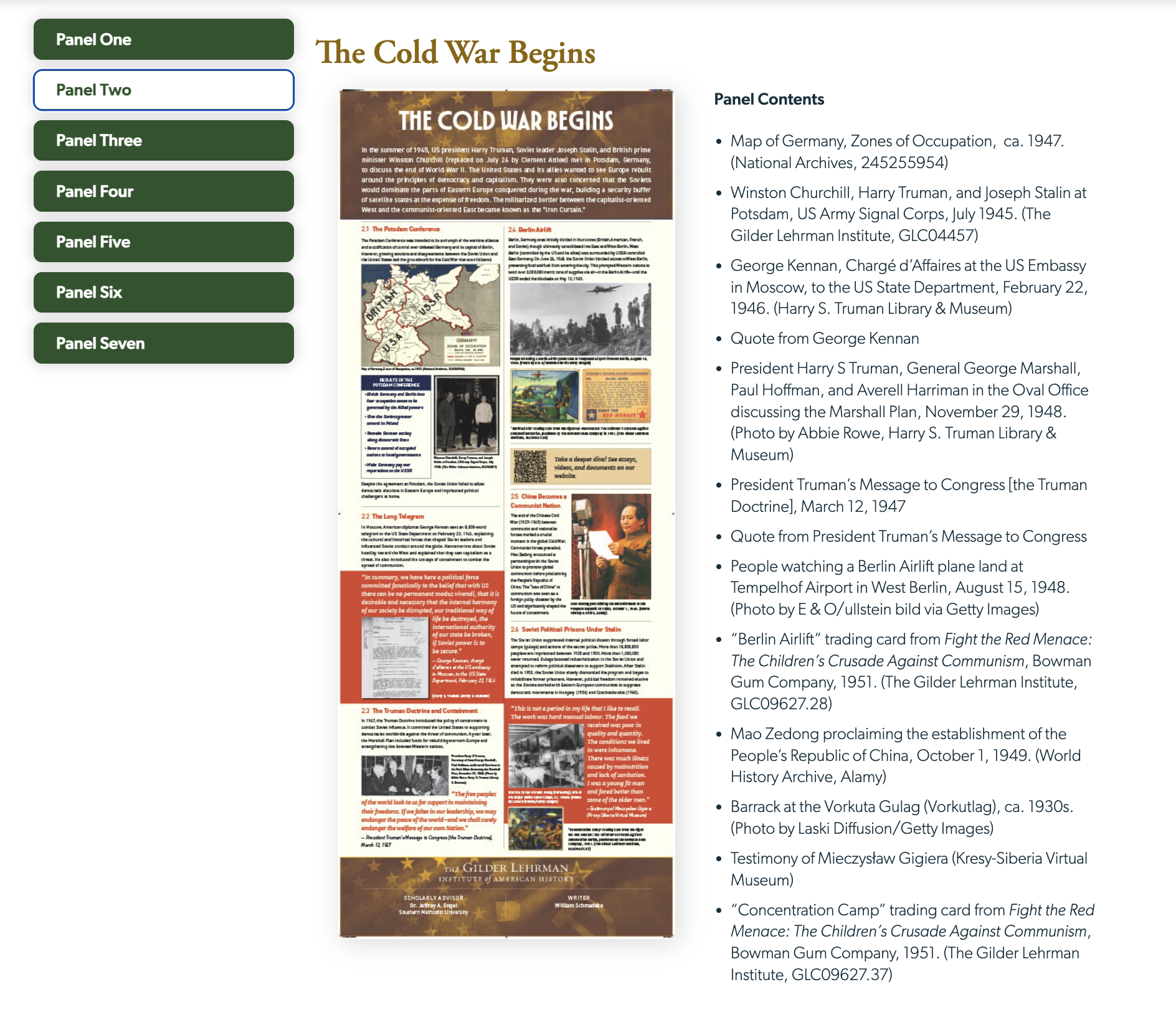
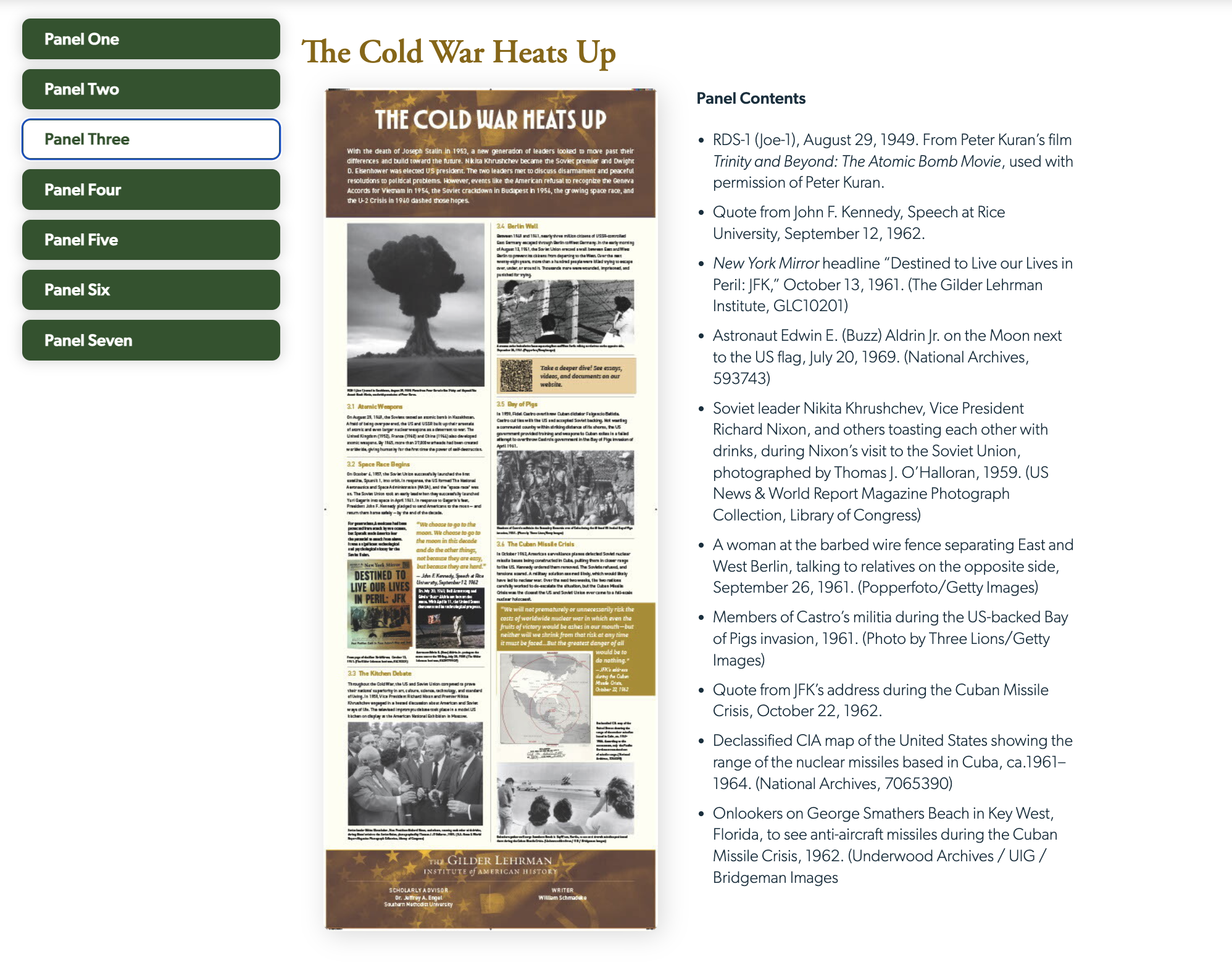
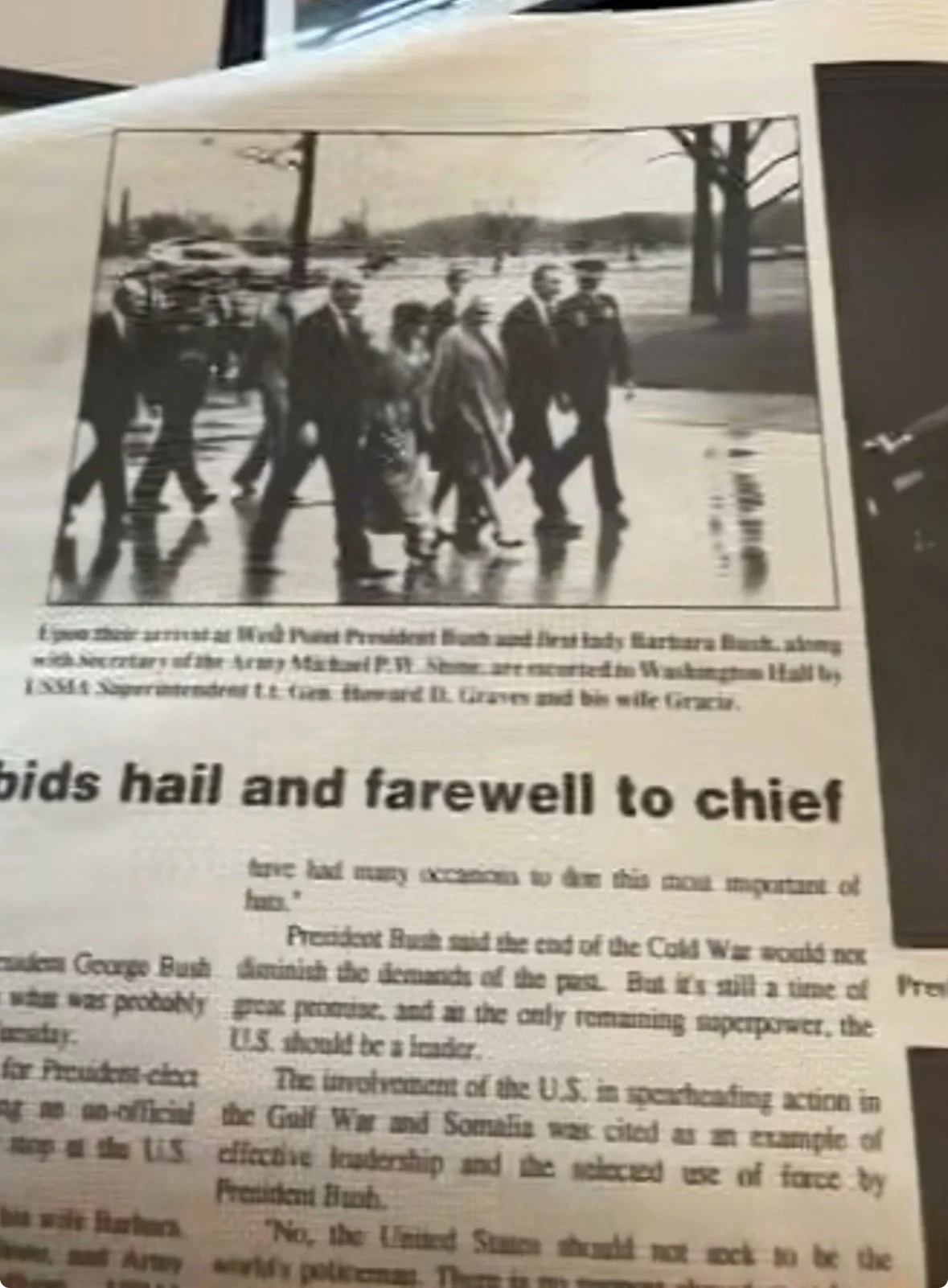
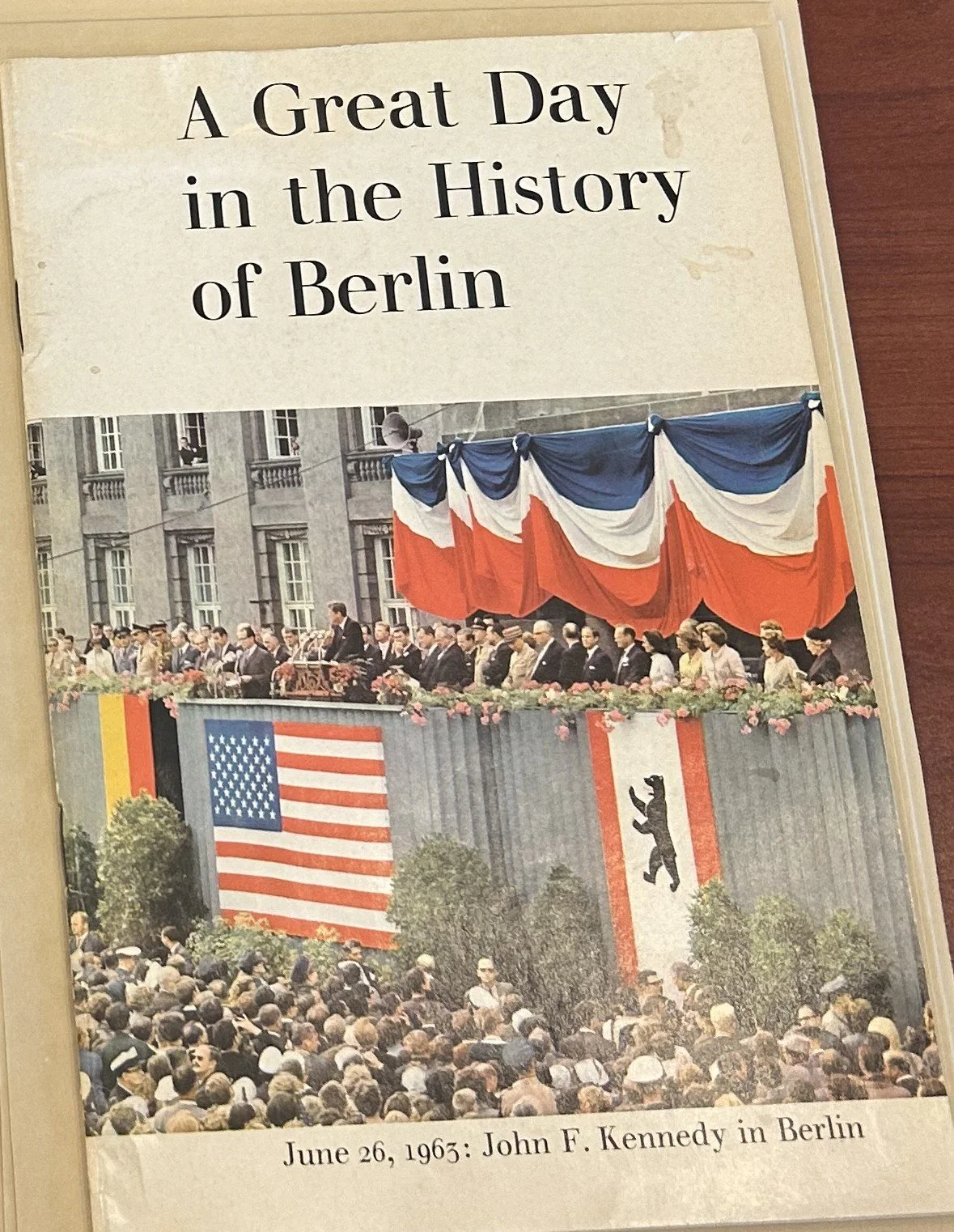
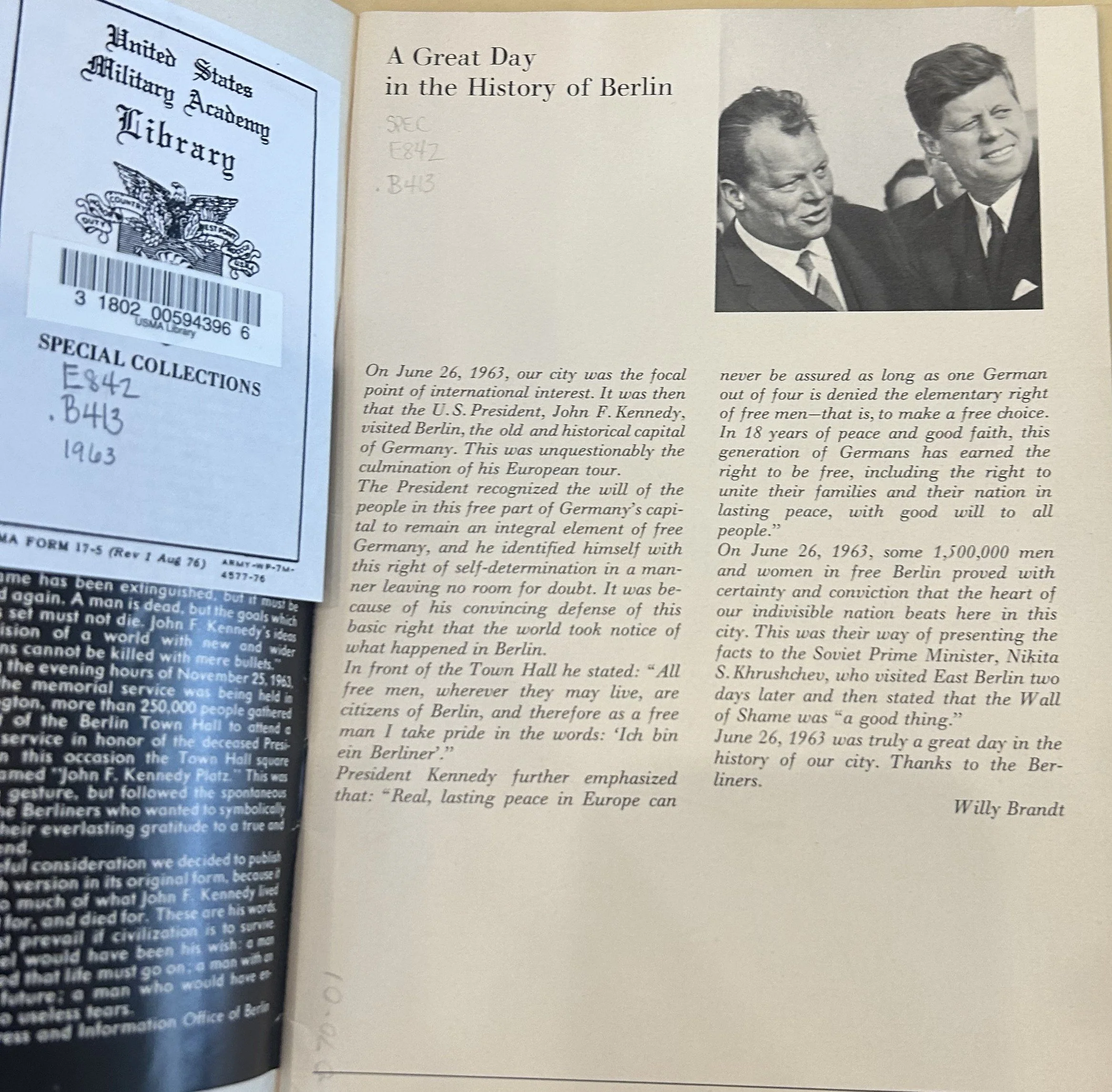
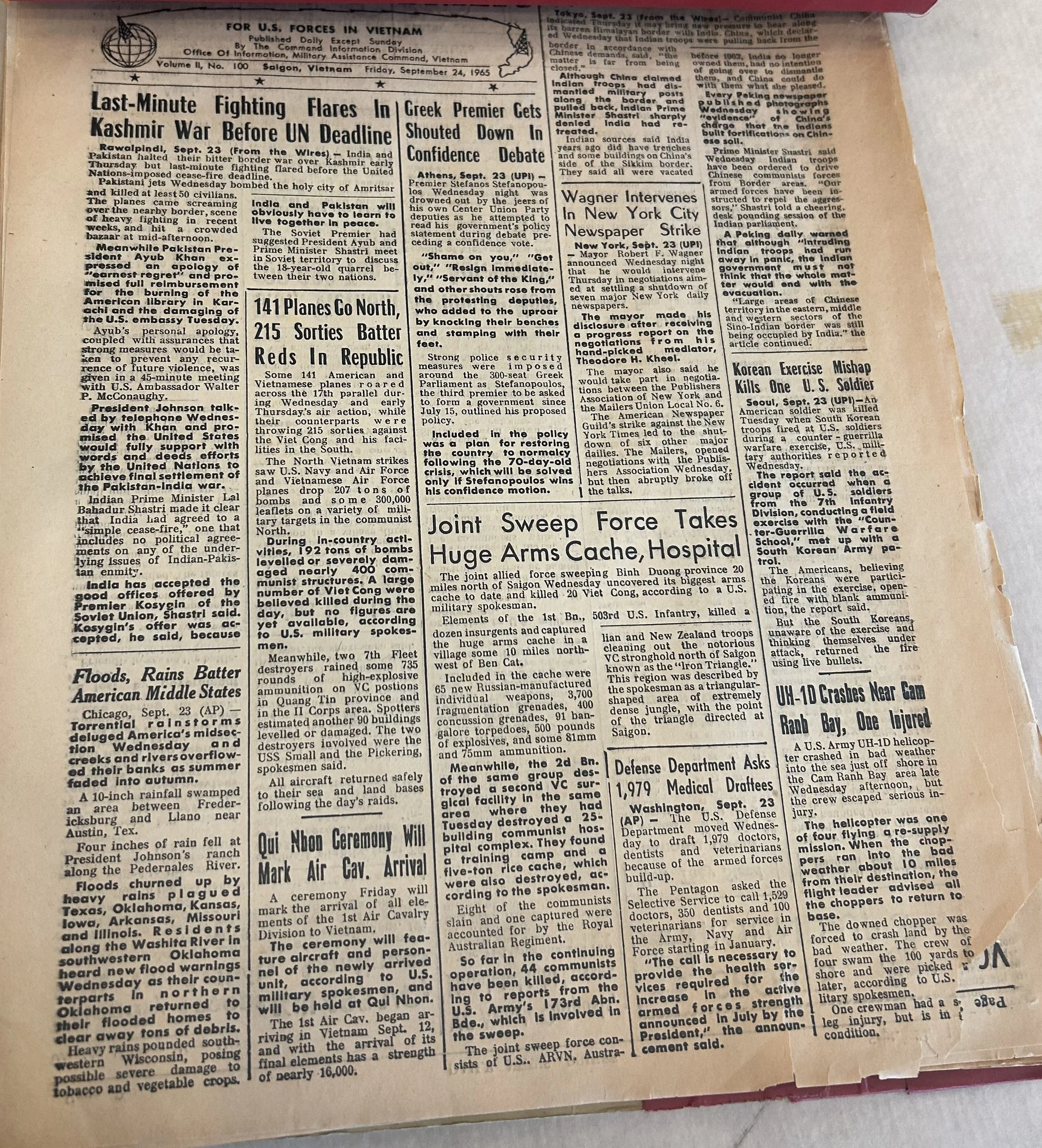
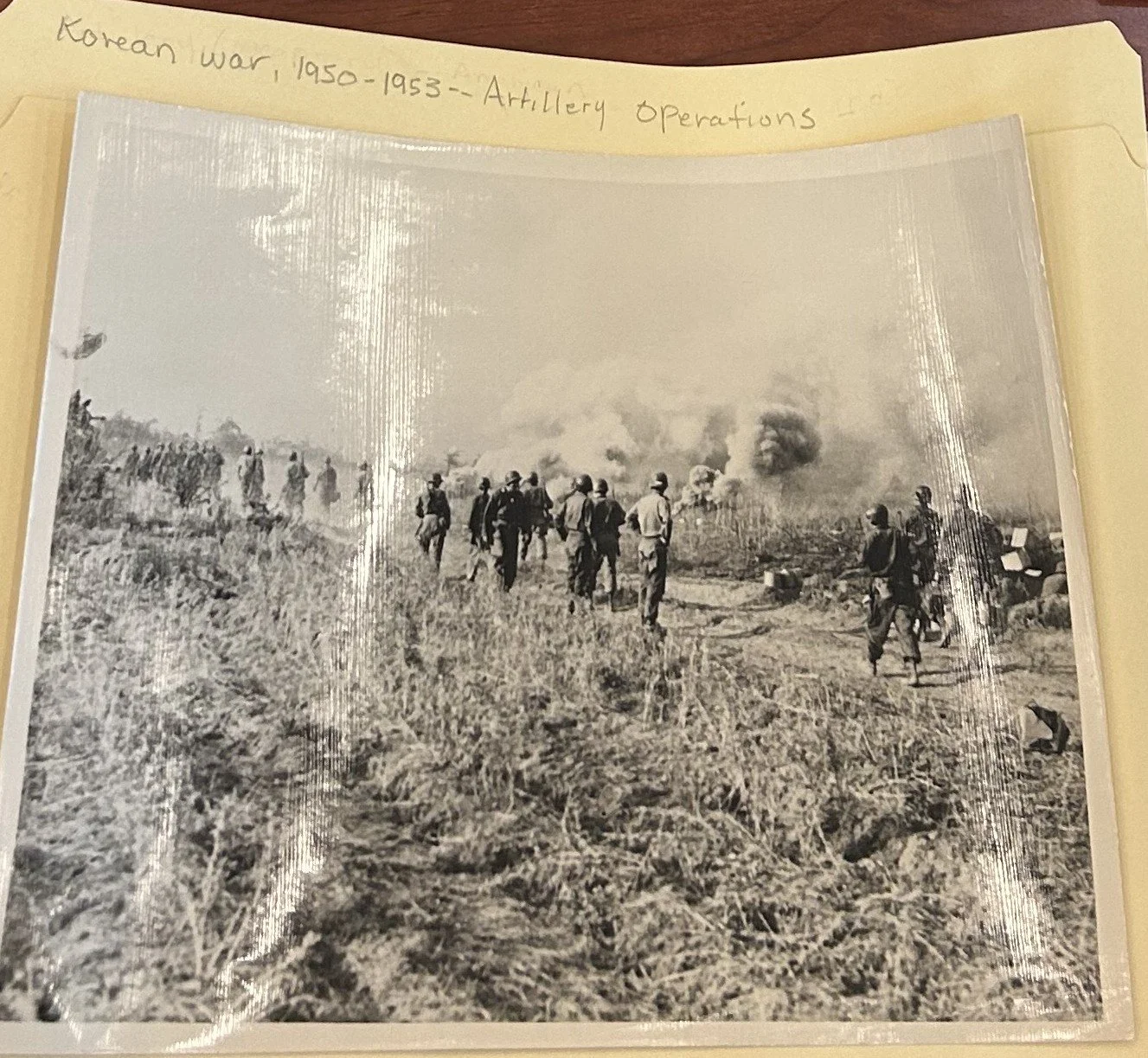
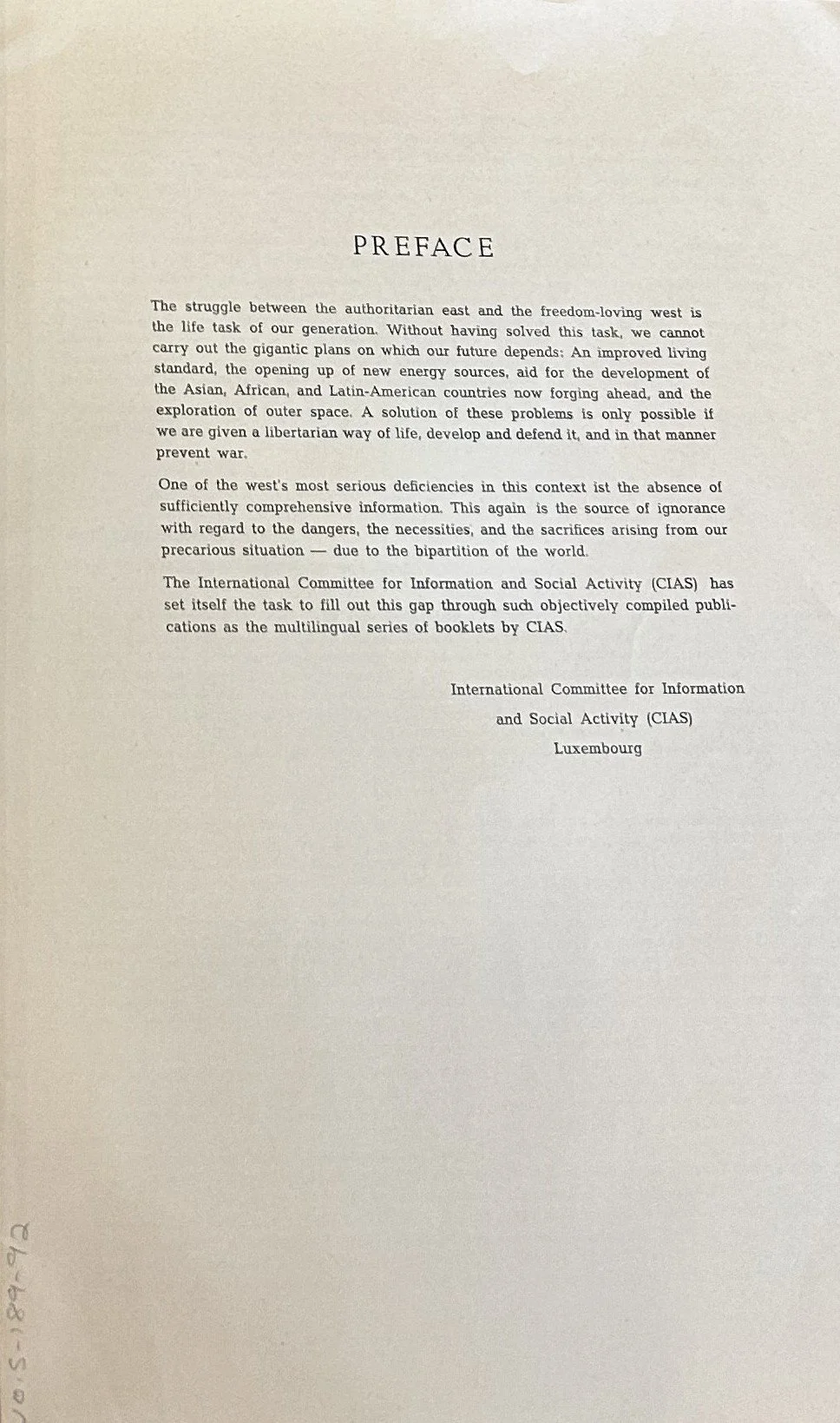
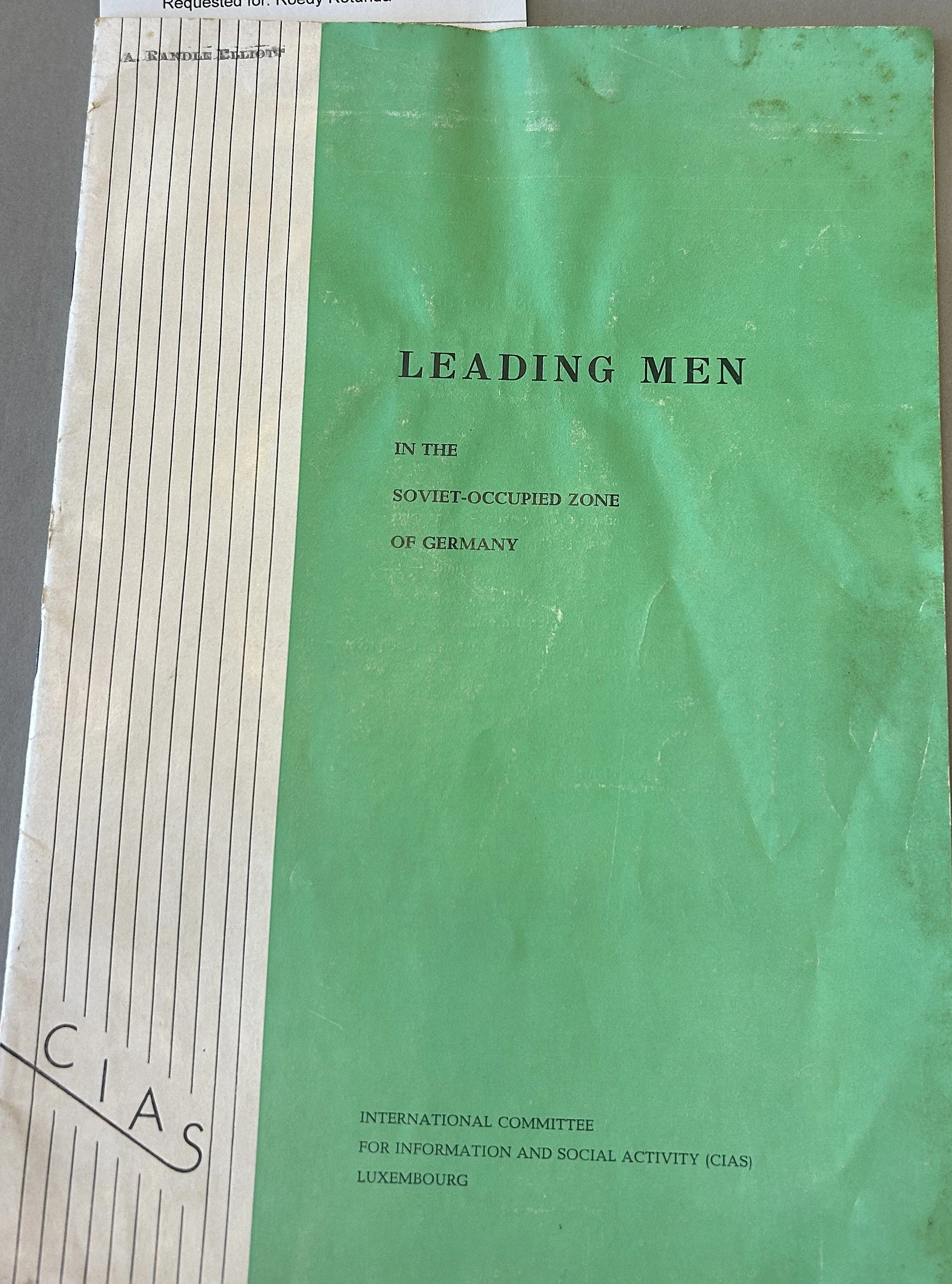
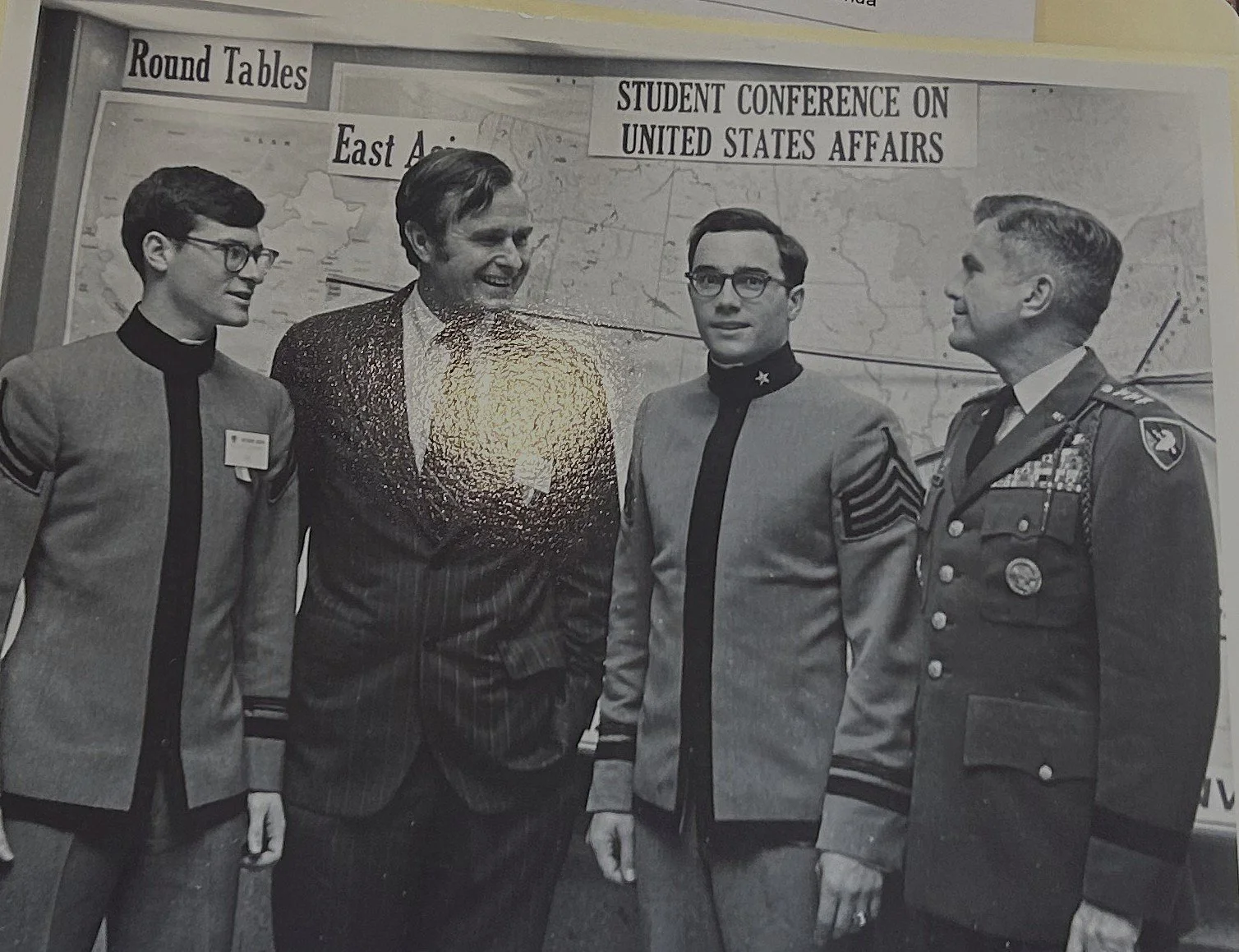
The artifacts, manuscripts, photographs, and archival publications that follow trace the Cold War era from what some would argue was its true beginning, through the fault lines opened at Yalta, through the geopolitical realities of Korea, Berlin, and Vietnam, to the night in November 1989 when the Wall came down and a different mission opened. Also featured is the travel exhibition The Cold War created by The Gilder Lehrman Institute of American History, which examines major events of the Cold War (1945-1991), exploring the global competition between the United States and the Soviet Union through political maneuvering, arms development, economic aid, and proxy conflicts.
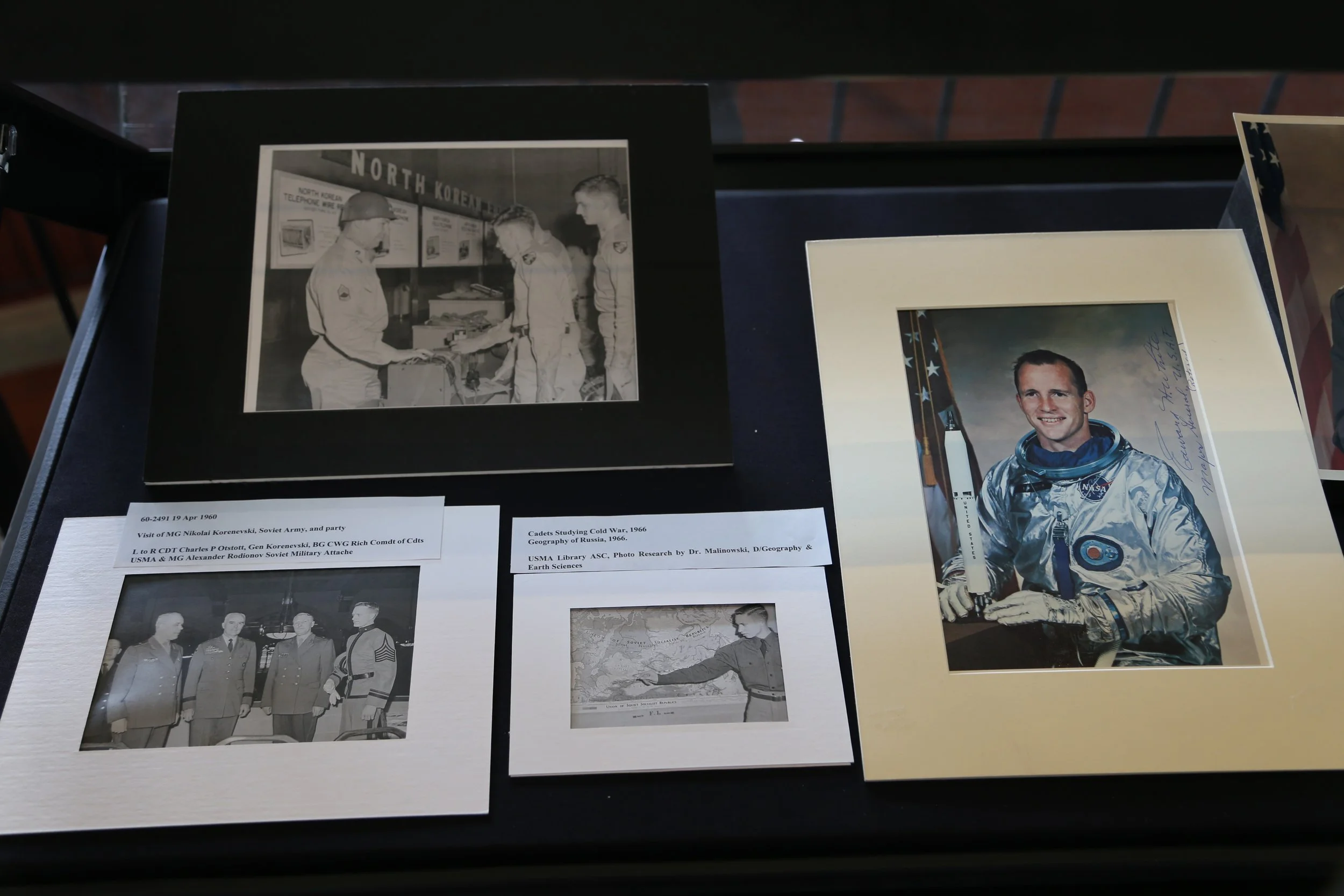
Cold War service required learning that did not end at graduation. The conflict was unfolding around the people navigating it, and the Academy's task was to integrate those lessons into officer formation as they emerged. The artifacts in front of you show that work in progress: cadets studying the language, geography, and equipment of an adversary whose next move no one could yet predict. Bill reached his command in Europe in the middle of that same unfinished learning, standing inside a system built to make its own use unnecessary. As Churchill said of another long contest: "Now, this is not the end. It is not even the beginning of the end, but it is perhaps the end of the beginning." That was the long view this Academy instilled, and the discipline Bill carried forward.
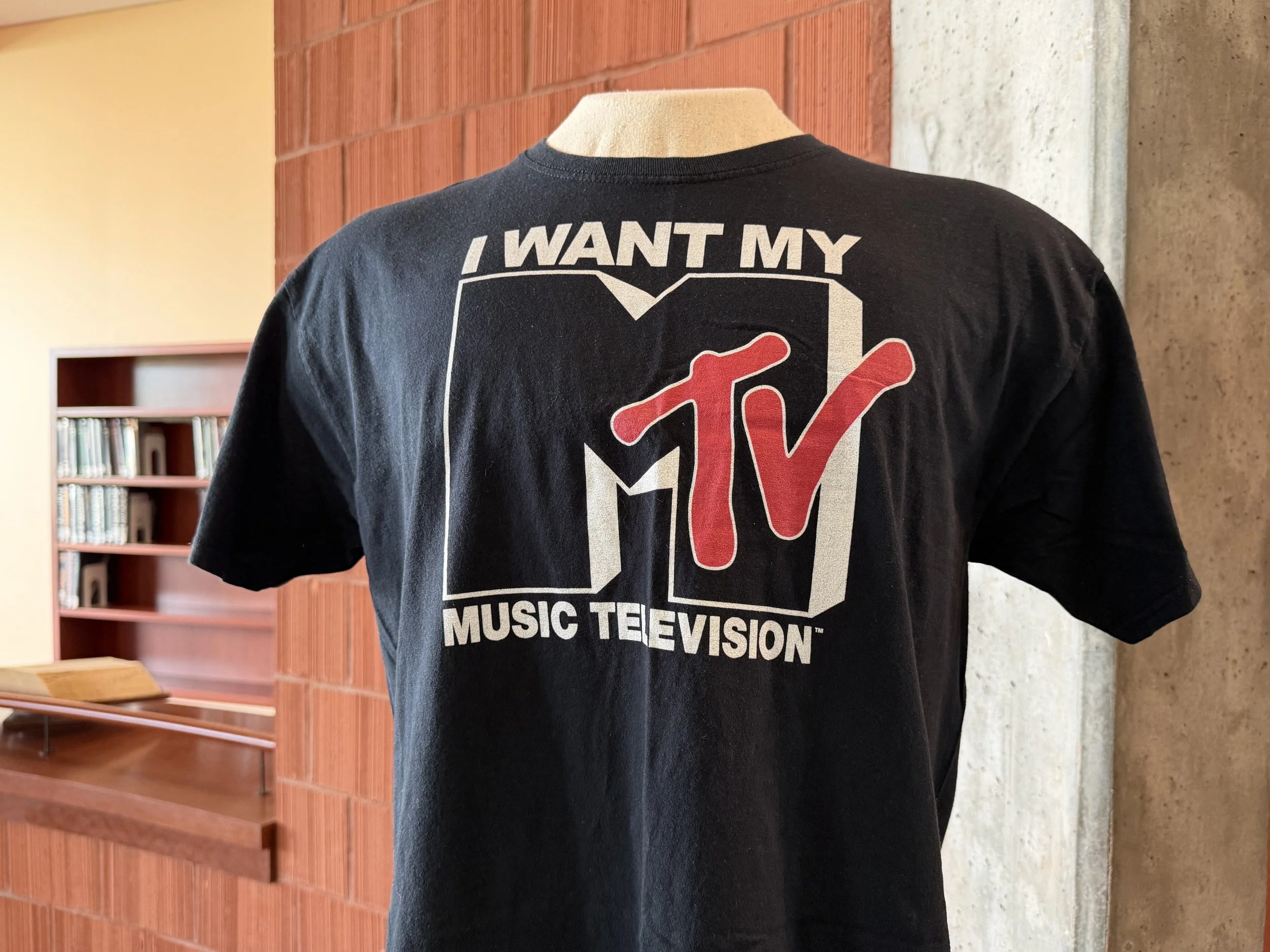
What hard power alone could not do, the second half of his life would teach him. As President of MTV Networks International, Bill carried culture, music, and the language of self-determination across borders long closed to American influence. Churchill said, "An attitude is a little thing that makes a big difference." That was the attitude Bill took into Lithuania. Russian tanks surrounded the building where he sat with President Landsbergis, and they agreed that bringing MTV to the country was, in Landsbergis's words, "an irrevocable step toward democracy." It was the attitude that brought MTV behind the Iron Curtain. When Mikhail Gorbachev later called him "Missile Man," he confirmed what Bill had come to believe: music can be more powerful than missiles.
Years later, Bill would return to Westminster to deliver the John Findley Green Lecture in the spirit of Churchill's Iron Curtain address, this time on what a free world owed itself in the era that followed.
That is the arc this exhibit preserves. From hard power to soft power. From the wars of his father's generation, through the deterrence Bill was trained for, to the cultural diplomacy that helped finish the work. The values West Point gave him carried through each chapter, in uniform and out. The instinct for the mission. The reach for allies. The conviction that ideas, well delivered, are weapons of their own.
For future officers, Bill Roedy's journey underscores a broader truth: the values instilled at West Point are not confined to a single path. They are a foundation for leadership in any arena, whether on the battlefield, in public service, or in shaping the cultural forces that influence the world. May every cadet who walks through this space discover their own lifelong mission — and have the courage to pursue it with conviction.